Tag Archives: vegetarian

New Cookbooks

1 Nov

Cookbooks are, as I think I have noted before, a form of pleasure, relaxation and happiness for me. I read cookbooks at night, before bed, and the ones I love the best are filled with the personality of the writer – their opinions, descriptions, passions. I love being drawn into a story about food – and I am forever fascinated by the minds of great cooks – how they think about food, what they choose to put together with what, and how they cook.

I treated myself to a few cookbooks recently that I have really been wanting to read. I share them with you here, in the hope that they might inspire some culinary pleasures of your own 🙂
Gesine Bullock-Prado

Confections of a Closet Master Baker by Gesine Bullock-Prado

Bullock-Prado once worked in the high flying world of Hollywood – as a producer for her famous sister’s company. She made movies, but all the while, she was dreaming of food … of baking in particular. Finally, she acknowledged her true self, and with her husband by her side, settled in Vermont, and opened her own bakery. This book is her story – intertwined with the stories of the powerful women in her life – her mother Helga (a famous German opera singer), her sister and her grandmother and aunts. Their European sensibilities about food and baking pervade her story. And after each chapter comes a recipe – for Helga’s Cake, Raspberry Meringues, Apfelkuchen, and Starry Starry Nights – a kind of baked truffle meringue cookie which is “black with chocolate.” Bullock-Prado’s advice for baking these cookies is wise and exemplary of a true cook:

Starry Starry Nights are as much careful process as they are high-quality ingredients. It’s easy to cut a corner and court disaster. Pay attention: to the chocolate, to the eggs, to the temperature and feel of your ingredients at every stage. Make sure to have extra chocolate on hand to nibble as you work; it calms the impatient baking beast beautifully.

I love the way Bullock-Prado writes, and how she thinks about food. Her blog is wonderful too! She shares her knowledge freely, and with a lot of precision and intelligence. Enjoy 🙂
Rose Elliot

New Complete Vegetarian by Rose Elliot

It seems I have always had a cookbook or two by Rose Elliot – probably Britain’s best known vegetarian cookbook author. She has written over 50 vegetarian cookbooks, and her chatty and intimate style of writing pulls you in and inspires. I like her recipes for being simple, straightforward, and tasty. I bought the New Complete Vegetarian because it reads as a wonderful reference to just about any vegetable that you can imagine. It also really makes me think about the myriad different ways of presenting vegetarian food. I cant wait to try her Vegetarian Paella, Stilton Pate with Walnuts and Port, and Croustade of Mushrooms, a gorgeous pie made from sauteed mushrooms and soured cream, on a baked base of breadcrumbs, almonds, garlic, herbs de Provence and garlic. Glorious!

Elliot’s voice is clear, confident and completely immersed in the wonders of vegetables. If you can think of it, she surely has a few suggestions on how to prepare it. And for a cook like me, Elliot’s recipes form a wonderful base from which I can let my mind and creativity wander… add a bit of goat’s cheese to that croustade may be … or possibly some oven dried tomatoes? Once you understand how to cook vegetables, and treat them with grace and respect, almost anything is possible. Elliot really provides that basic understanding, and passion.

From her introduction to Pulses:

Pulses – beans, peas and lentils – are one of our earliest-known foods. They are nutritious, health-giving and low in fat; an excellent source of protein, low-glycaemic carbohydrate and fibre; and packed full of valuable vitamins and minerals… I like them – love them, actually – for all of these health reasons but also because … I love all the gentle processes involved in cooking them: the serene soaking, the unhurried boiling, the transformation from hard, dry seed to plum, moist bean that is full of flavour.
Yotam Ottolenghi

Plenty by Yotam Ottolenghi

I had heard much about Yotam Ottolenghi – both my friends, Karo and JL (aka Goddess’ husband), had forwarded me fascinating recipes of his. A classically trained chef, Ottolenghi has a series of restaurants in London selling bright, fresh salads, cakes and prepared foods. They look amazing, and are on my list to visit the next time I am visiting.

Ottolenghi also writes a column for the Guardian newspaper called The New Vegetarian which is an innovative, passionate and inspiring series of recipes using an extraordinary fusion of international tastes and textures. What is fascinating about this column is that he is not a vegetarian, but his cooking features many vegetarian dishes …. the colour, textures and passion are evident in each dish!

Ottolenghi is daring and brilliant in how he combines different foods – and the freshness and beauty of his plates makes me always want to get down and dirty and cook! He reminds me a bit of Nigel Slater – rough and ready and yet intensely sophisticated. Influenced by his Middle Eastern heritage, Ottelenghi travels to eat, and brings many different styles and approaches into his food.

Plenty is a vegetarian cookbook – a collection of his Guardian articles along with many unpublished recipes. Its a rollercoaster ride of inspiration and passion – brilliant and exciting. He is so clever! A caramelised garlic tart! Caramelised onion tarts are an old stand-by, but garlic? Of course! And what a different taste, yet echoes of the familiar. Enlivened with cheese, made creamy and comforting with eggs and cream, this tart is a wondrous idea – something I cannot wait to make. There are others … Stuffed Portobello with Melting Taleggio, Figs with Basil, Goats Curd and Pomegranate Vinaigrette, Broccoli and Gorgonzola Pie. Each recipe is unique, challenging and beautiful. I love how he thinks, and how he writes.

In the introduction to his (savoury) Green Pancakes with Lime Butter:

I guess these pancakes are so comforting they somehow take you back to your childhood, when the joy of textures and flavours is still pure and unadulterated.

And in the Introduction to the book:

I’ll start with something as simple and unassuming as rice. When I try to think of all the uses for this grain, I immediately go dizzy with all the countless possibilities – within and between cultures, pairing with other ingredients, all the types of rice available, the methods of cooking and when you serve it, the consistency, degree of processing, home cooking, commercial uses. I think of paella, wild rice salad, and ho fan noodles. I visualise arancini with their golden breadcrumb crust, Iranian saffron rice with potatoes, Chinese fried rice, rice pudding. I recall plain steamed rice my mum used to prepare for me when I had a bad tummy, with only a little bit of butter stirred in at the end.

______________

So these are my three new gifts to myself – my inspirations, my references, my pleasures. I hope they inspire you to may be pick one up to be inspired… but for now, I am going to bed, with a cup of warm milk with a dash of home made vanilla essence and some honey… to read, and to dream.


Vanilla White Chocolate Pudding

31 Oct

This week has been a week of baking, cookies and cakes… I havent posted for days, and I am feeling a little bit out of sorts – still adjusting to being home, seeing old friends, re-establishing ties. And the sweet week of readjustment (accompanied by 3 major bundt cakes and cookies) is about to end – tomorrow comes meetings, work and the usual immersion in daily life. Bills to pay, people to see…

So tonight, I decided, after a lovely dinner with Pingaling, to treat myself. This pudding is so luscious, so creamy and smooth, so soft and silken and unctuous, that you can spread it all over yourself and bathe in it. It is like being enveloped in love and hugs and vanilla and sugar and sweetness. Its easy to make (about 20 minutes or less in terms of actual work time) and it is amazingly adaptable – brilliant either warm or cold.

It would be a phenomenal base for a white chocolate ice cream (just cool in the fridge overnight, and pop into your ice cream maker!). It makes a brilliant accompaniment to any manner of cake, pie, pastry or crumble. It would be stunning as the filling for a deep dark chocolate cake or ginger cake (that could be iced with whipped cream!). Served with fruits (particularly berries), this is a dream. And thinned out with a little more milk or cream, its a surprising and delightful custard.

But somehow, tonight, all I wanted was a bowl of this pudding, and a few of Adi’s crisp haunting vanilla cookies. The worries and pressures of tomorrow can wait. Tonight is a good night 🙂

Makes about 3 1/2 cups

  • 2 1/2 cups whole milk (though you can make it with low fat milk, it loses a bit in the richness – and of course you could add some cream but that is going just a tad overboard!)
  • 1 vanilla pod, split and scraped and/or 1 tbsp (or to taste) vanilla essence
  • 2 eggs
  • 4 egg yolks
  • Pinch of salt (I use Maldon or fleur de sel because I love the sudden pops of salty in all that sugary smoothness)
  • 1/2 cup light brown sugar
  • 1/4 – 1/2 cup (a few good ounces) white chocolate, chopped
  • 2 tbsp butter

Pour the milk into a medium saucepan, and split the vanilla pod. Scrape the beans into the milk, and pop the pod in there too.

Heat the milk over your lowest heat, until it just starts to steam and bubble around the edges. This might take a while, so be patient, and busy yourself with other things while it is happening.

Once the milk is just at the point of boiling, take off heat, and cover for 5 minutes to let the vanilla bean steep. If you are not using vanilla bean, allow the milk to cool down for about five minutes while you prepare the eggs.

Crack the eggs into a medium bowl and add the egg yolks. Set the whites aside for another use. Add the salt and sugar, and begin to whisk. Let me just take a moment and state that I use light brown sugar in this recipe because I adore the slight caramel tones that the light brown brings to the flavour profile. However, if you prefer a very pristine pale pudding, without the caramel-y notes, feel free to use white caster sugar.

Whisk until the sugar has completely dissolved into the eggs.

Once the milk has cooled for 5 minutes or so, fish out the vanilla pod (if using), and whisk in the white chocolate. Whisk well to ensure that all the chocolate is completely melted (it should do this relatively quickly). Add a tablespoon or so of vanilla essence at this point and taste. You should have very strong vanilla and white chocolate notes. They should complement each other, but also be distinct. Adjust if you like.

Whisk about a third of the hot milk into the eggs, and continually whisking, add the egg-milk mixture back into the saucepan.

Put the pudding over very low heat and whisk constantly until it begins to thicken and steam and tiny bubbles begin to pop onto the surface. Whisk in the butter.

You need to keep your nerve here. Too long, and you get sweet, expensive, useless scrambled eggs. Too soon, and it doesnt thicken enough. Do remember though, that pudding does thicken substantially as it cools down. Its a balancing act, but I rather take off too soon than too late! You can always give it a little more heat if it does not set up as you would like it to.

Hopefully, you will have rinsed the bowl you whisked the eggs and sugar in. Place a sieve over this bowl, and pour the pudding through, to ensure a beautiful smoothness.

You now have a difficult choice. You could eat some pudding immediately (who am I kidding, I always do! Cook’s treat) … or place greaseproof paper over the surface of the pudding and refrigerate for about 2 hours or so until it has cooled and thickened completely.

Enjoy in a myriad of ways… and be comforted 🙂

Su-Feh’s Gingerbread Cake

28 Oct

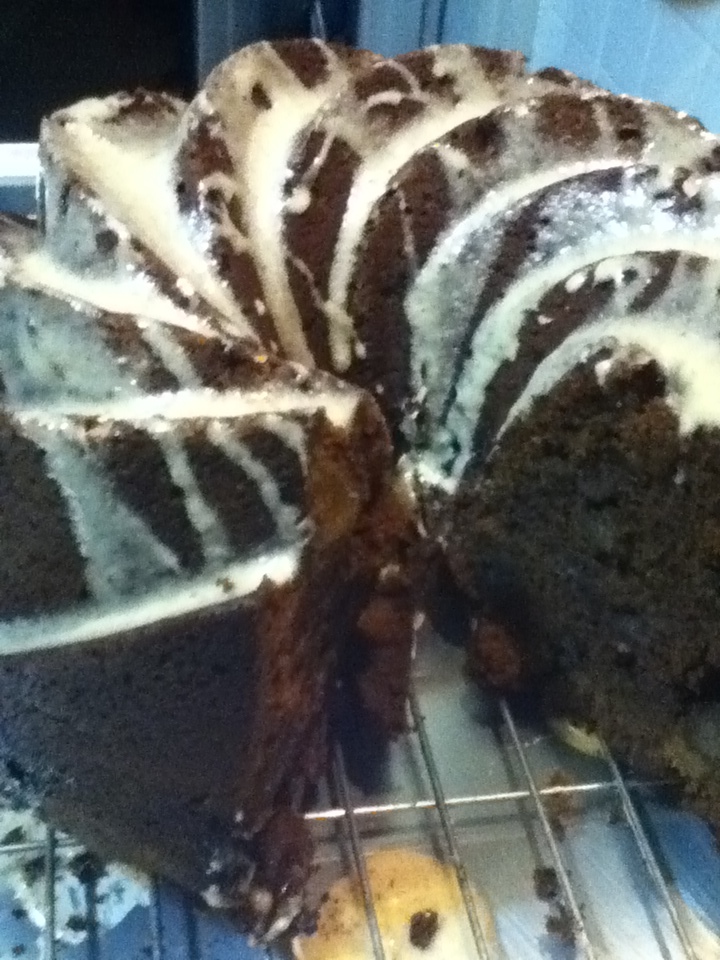
Gingerbread CakeI dont know why I have been baking all this week. May be its my longing to be back with my beloved sister, may be I am trying to create a sense of home and comfort from all the lovely scents wafting in from the kitchen. Whatever it is, this is the third cake I have baked in my bundt pan this week! And oh, what a cake it is…

My friend Su-Feh sent me this recipe. What a gift! Gingerbread cake … damp and thick with molasses, dark dark sugar, and studded with candied ginger. So dark and deep, such a complexity of flavours. Its a gorgeous cake – so many flavours in every bite.

I have to admit, the minute I read a recipe, I think about ways I can adjust it and make it mine. However, I stayed true to the original, and I am so glad I did. This is perfect for a mid-week dessert, coffee break, or light celebration cake. Its a multi-purpose wonder cake … and its so scrumptuious, none of us could have just one slice! You will love this cake – and its incredibly easy to make.

Whilst I did not change the cake, I did add something – a vanilla sour cream glaze. Especially with a bundt pan with such intricate design, you need a glaze to make sure all those points and swirls stay moist! Plus, it tastes really good.

You could also bake this cake in 2 9-inch cake pans, and ice it with a sour cream or cream cheese frosting – total ginger heaven. Enjoy this cake with family and friends, you will be so happy you made it. It will make your loved ones smile.

Thanks Su-Feh for this lovely recipe!

  • 3 cups all-purpose flour
  • 2 tsp baking soda
  • 2 heaping tbsp ground ginger
  • 1 ½ tsp ground cinnamon
  • ½ tsp ground cloves
  • ½ tsp salt
  • 1 cup butter, melted, cooled slightly
  • 1 cup (packed) dark brown sugar
  • 1 cup molasses
  • 2 large eggs
  • 1 cup hot water
  • 2/3 cup chopped crystallised ginger (3 oz)

Preheat oven to 175C (350F). Butter a 12-cup bundt pan well.

In a small bowl, sift together the flour, baking soda, ginger, cinnamon, cloves and salt. Set aside.

In a large bowl, combine the melted butter and the dark brown sugar. Use an electric beater, and beat well – when you first start mixing, it will be loose and quite liquid. As the sugar and butter combine, it will become almost pudding-y. At this stage, gradually beat in the molasses, and then the eggs.

Beat in the flour mixture in heaping tablespoons. Once all the flour has been incorporated, mix in the hot water. Remove the electric beater (wonderful tasting for the cook!) and stir in the chopped crystallised ginger.

Gently pour and scrape the batter into your bundt pan, and bake for about 45 – 50 minutes, or until a tester comes out clean.

Cool the cake in the pan on a rack for 10 minutes, then rap it sharply against a flat surface.

Turn the cake out onto a cake rack, and cool for a further 30 minutes or so before eating.

You can eat this lush cake plain, or serve it with sifted powdered sugar over. I however loved it with this glaze:

Vanilla Glaze

  • 2 heaping tbsp sour cream
  • 1 vanilla bean, scraped or 1 tbsp vanilla essence
  • 1/2 cup icing sugar

Whisk all ingredients together until smooth. Taste for vanilla and adjust.

Pour gently over still warm cake. Make sure there is a jelly roll tin under the rack to catch dripping glaze!

Enjoy!


Decadent French Toast

27 Oct

This has got to be one of the single most outrageous things I have ever dreamed up. It is completely, utterly, shamelessly decadent. It needs to come with its own health warning, and it certainly should not be consumed more than once a year. Its a full on aria of melted chocolate, hot eggy cream and crisp croissant. Every person I have made it for has stopped in their tracks and said “Oh I shouldnt!” … and then has proceeded to devour it with sybaritic delight.

Dont try and make this for more than two people – its too immediate and sensual. This is the joyful celebration morning after breakfast of the most sublime night before. You need to make it, and then eat it almost immediately, hot from the pan. Preferably in bed. With your fingers. Sharing one would probably be a good idea, but if you are terribly greedy, you could I suppose double the recipe and make two. Though to be honest, I dont think I could (or would want to) get through one whole one alone.

I have always always adored french toast. I love the slight custardy wobble of the eggs, the melting centre of the crisp bread, the salty sweet contrast. It used to be our holiday breakfast – something special and delightful. Im not sure what dark part of my true wanton self this recipe came from, but I bring it out now and then when I want to scare the neighbours 😉 I hope you enjoy it … and that it brings out the joyful sensualist in you!

Serves 2 happy people

  • 1 croissant (day old is best, but fresh is acceptable)
  • 1/4 cup heavy cream
  • 1 egg
  • 1 tbsp light brown sugar
  • 1 tbsp vanilla extract (though preferably, you would scrape the vanilla seeds from a single bean instead)
  • 1/4 tsp salt
  • 1/4 tsp (really a smear) butter
  • 1 – 2 squares high quality dark chocolate

Split the croissant in half lengthways. I usually do this with a kitchen scissors to try and keep it as intact as possible. If the croissant is still quite fresh, toast it in a toaster very briefly. You want it to crisp up, not burn. I usually put it on the lowest setting, and pop the toaster before its time – when I smell that unmistakable warm croissant smell.

In a small bowl, whisk together the cream, egg, light brown sugar, vanilla extract and salt. Taste and adjust the vanilla. You want it as heavily perfumed with vanilla as possible.

Place the croissant halves in the bowl, and using a fork, lightly poke holes in the croissant to encourage it to absorb all the cream-egg mixture. Allow to sit for about 5 – 10 minutes.

Place a non stick pan over extremely low heat, and melt a tiny smear of butter into it.

Place the croissant halves, cut sides up, into the pan, and pour over any remaining liquid. Saute very gently. You will start smelling the most incredible scents… be patient, it only gets better!

After about five minutes or so at low heat, flip the croissants over, cut sides down, and saute again for a few minutes or until you are confident that most of the cream-egg mixture has been cooked through.

While the croissant is slowly cooking, chop the chocolate into thin shards.

Flip the croissant again, and scatter the chocolate shards over the two halves. Give it about a minute (the heat will start melting the chocolate), and then very gently, flip one half of a croissant directly over the other so that you have reassembled the croissant. Let cook for a little while longer until you are sure that most of the chocolate has melted, and then gently slide onto a plate to serve.

Enjoy!

Adi’s Cookies

26 Oct

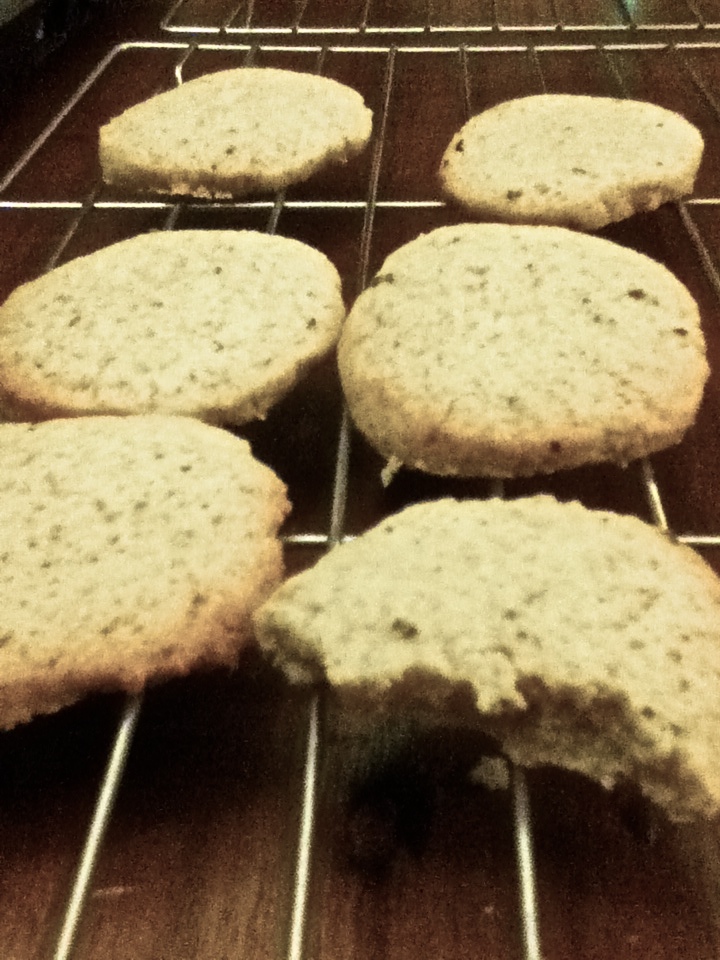
Inspirational!Today was a lovely chilled day, reconnecting with the KL I love so much … seeing friends, being inspired and challenged by strong women. My beloved friend, Adi, gave me a beautiful gift – an astonishingly lovely vanilla bean paste that she brought back from holidays in Bali … and this paste was truly magical. It was a mix of vanilla bean, cacao nibs and chili! What a taste combination … and what a scent. When I opened the jar this deep spicy dark chocolatey vanilla musk wafted out and assailed me with its deliciousness.

I couldnt wait to cook with it … and it set me to thinking. Pastes are such a lovely conglomeration of tastes – this one in particular has a balance of dark deep flavours, invigorated by a faint sting of chili. Beautiful! I decided I was going to make refrigerator cookies with the paste, and I also dreamed up a whole variety of other pastes I could make inspired by this one.

If you cant put your hands on a vanilla, cacao nib, chili paste (and unless youre in Bali, and visiting the Puri Ganesha Villas where it was concocted, I doubt you can!), you can make your own paste from any number of wonderful combinations.

Just pound together a few ingredients that inspire you – a mortar and pestle would do well by you here – and bake some cookies or make a cake with the paste as your flavouring inspiration.

Here are a few that come to mind:

  • Crystallised ginger, cranberries and cinnamon
  • Grated lemon and orange peel, hazelnuts and raisins
  • Mint, cacao nibs, and pineapple
  • Dried blueberries, saffron, and almonds
  • Macadamias, a touch of honey, and nutmeg

Once you have a paste that you love, you can add it to so many things – to cakes and glazes. You could stir some into a pudding or ice cream. Use it to perfume a cupcake or frosting. Rub it onto an apple before baking, or stir it into a fruit crumble… you will have a haunting, unique flavour that will intrigue and delight.

Or you could make these cookies. I love refrigerator cookies. Basically, you make a simple cookie dough, lushly rich with creamed butter and sugar, and flavoured with the paste of your choice, and refrigerate the dough, rolled into logs, for at least a few hours. This allows the butter to firm up, and then you just slice the cookies and bake for a few minutes. Any left overs, you can freeze for up to six months, so you always have fresh cookies to hand. What a pleasure and a luxury! And once you have a paste that you love, the entire process takes literally 20 minutes to put together!

Enjoy this recipe, and be comforted. And thank you to Adi for inspiring me in so many ways!

Makes about 48 cookies / 2 logs

  • 2 sticks (16 tbsp) butter, at room temperature
  • 1 cup light brown sugar
  • 1 egg
  • 1 tbsp sour cream (or you could use cream cheese – or even leave this out – I just love the slight tang this provides)
  • 2 – 4 tsp vanilla, cacao nib and chili paste (or one that you make up!)
  • 2 1/2 cups unbleached organic cake flour
  • 1 tsp baking powder
  • 1/4 – 1/2 tsp sea salt (I used 1/2 tsp because I wanted to bring out the spice note of the chili – use less if your flavour combinations are softer)
  • 1 tbsp milk or buttermilk

In a stand mixer, fitted with a flat paddle, or a electric hand beater, cream the butter and sugar until light and fluffy. This takes a few minutes, so be patient. Its not just mixed together, but actually starts to fluff up…

Add the egg and sour cream and mix well. Add 2 teaspoons of the vanilla paste and taste – adjust if needed.

In a separate bowl, mix together the flour, baking powder and sea salt. Add to the butter mixture in three batches, adding a touch of milk in between each batch to keep the dough soft and pliable. Mix in the flour very briefly, just until the dough comes together, then add a bit of milk, mix again, etc.

Once all the flour has been incorporated, turn the dough out onto a long strip of waxed paper. Divide the dough into half, and roll out into a thick log. Wrap tightly in separate pieces of waxed paper, and refrigerate for at least 2 hours, or freeze until you are ready to use.

When you are ready to bake some cookies (and I have to ask myself, when am I not?!), preheat the oven to 200C (400F)

Line a cookie tin with greaseproof paper, and take out a log of cookie dough. Cut slices about 1/8th inch thick from the log, and arrange on baking sheet. They wont spread very far, so they dont need to be very far apart.

Bake for 6 – 10 minutes, until the edges are just starting to brown, and the cookies are firm to the touch. Cool on racks for a few minutes before devouring.

Enjoy and be inspired!

PS – forgive the blurry photograph, am still sorting through my luggage looking for my camera!

Lemon Bundt Cake

25 Oct

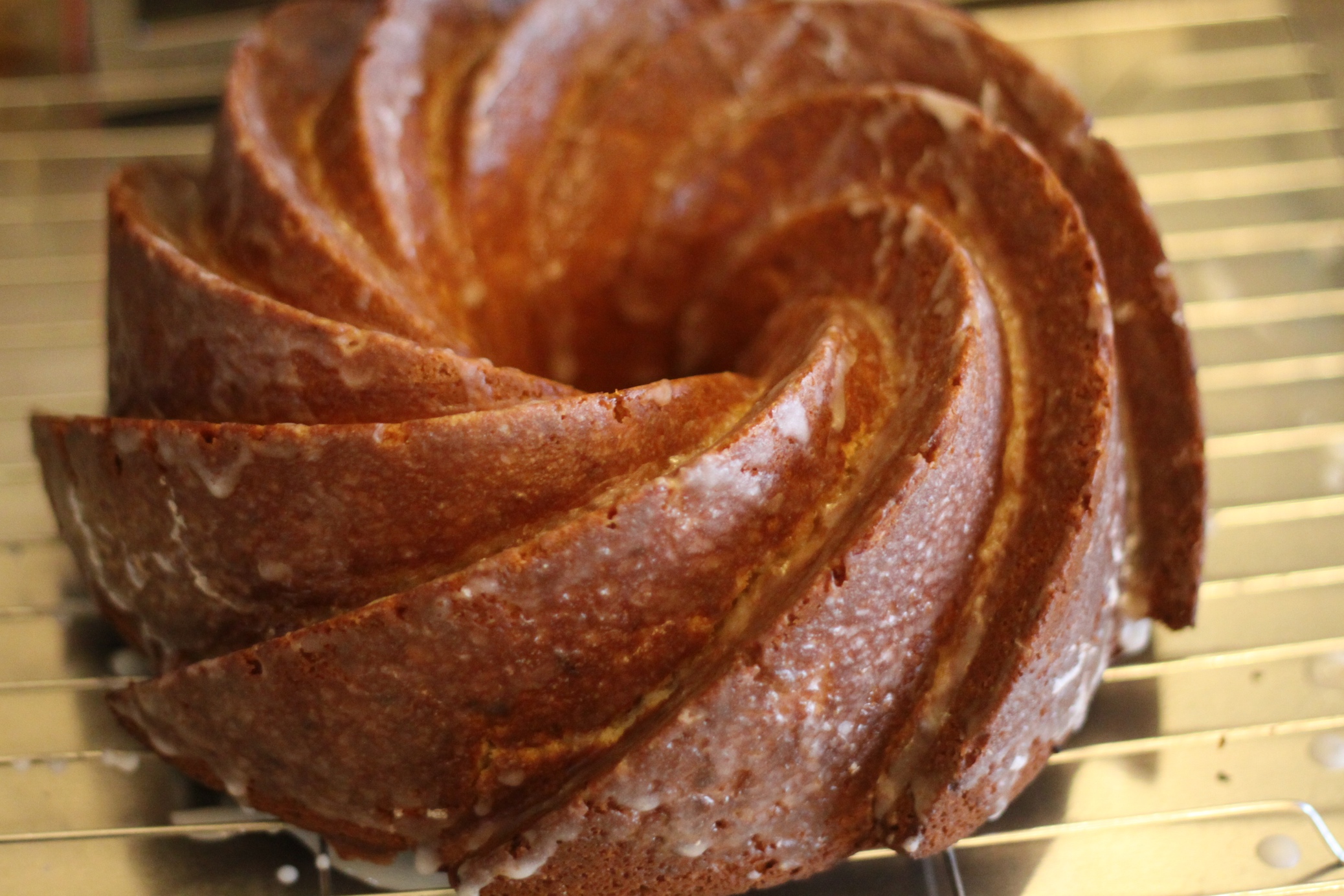
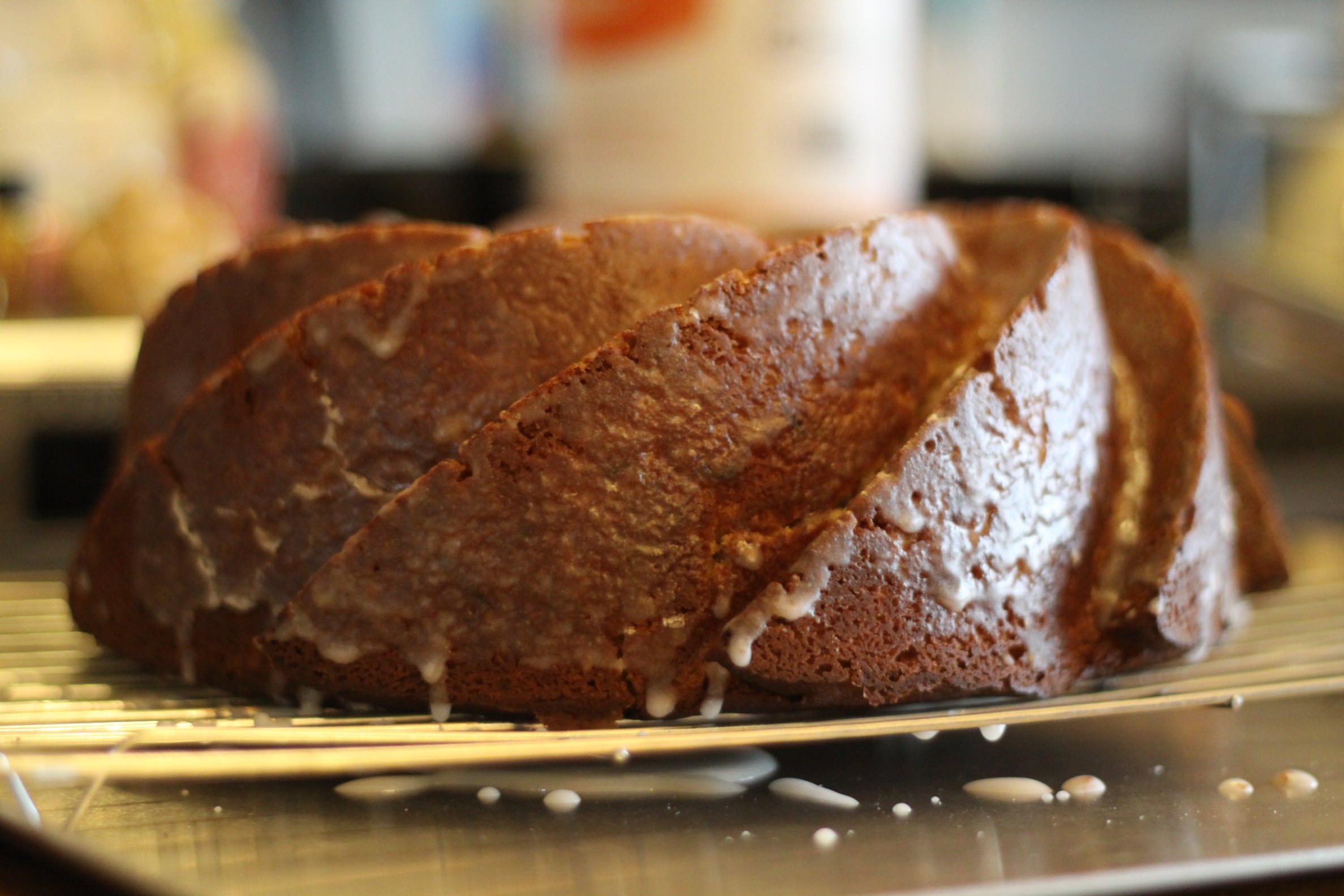
Bundt CakeMy beloved gorgeous friend Chiara sent me a bundt pan … and not just a garden variety bundt pan but a stunning, almost architectural pan. It is soooo pretty – and I was really excited to be able to use it! I kept wanting to bake a bundt cake when I was at my sister’s place, but never seemed to find the time. While cakes from scratch are generally easy, they also take a certain amount of commitment.

You need to set aside some time to really think about your ingredients, and gather them. You usually use about three or four mixing bowls to assemble things separately and then mix them all together. You bake, wait, remove from pan, wait again, and then ice. You can make cakes in less than an hour, but the slightly more complex ones take a while. Granted, a lot of the time is spent waiting for things to bake or cool down, but still, you need to set those times aside. I wasnt organised enough at my sister’s house to do that.

However, when I realised I was going to a family BBQ on Saturday night, I decided that Saturday afternoon would be the perfect time to bake a lemon cake … and then I remembered my bundt pan! Oh joy! This is such a terrific cake, and to make it even more stunning … such pleasures are these, I cant even tell you 😉

I served this bright tart glowing lemony cake with sweetened vanilla whipped cream and balsamic strawberries. Each on their own is fabulous. (Admit it, sometimes a mouthful of whipped cream is just what the doctor ordered!) But together… oh such ambrosia. Such contrast in colour and texture, such balance of flavours. They enhanced one another. So yummy and so good.

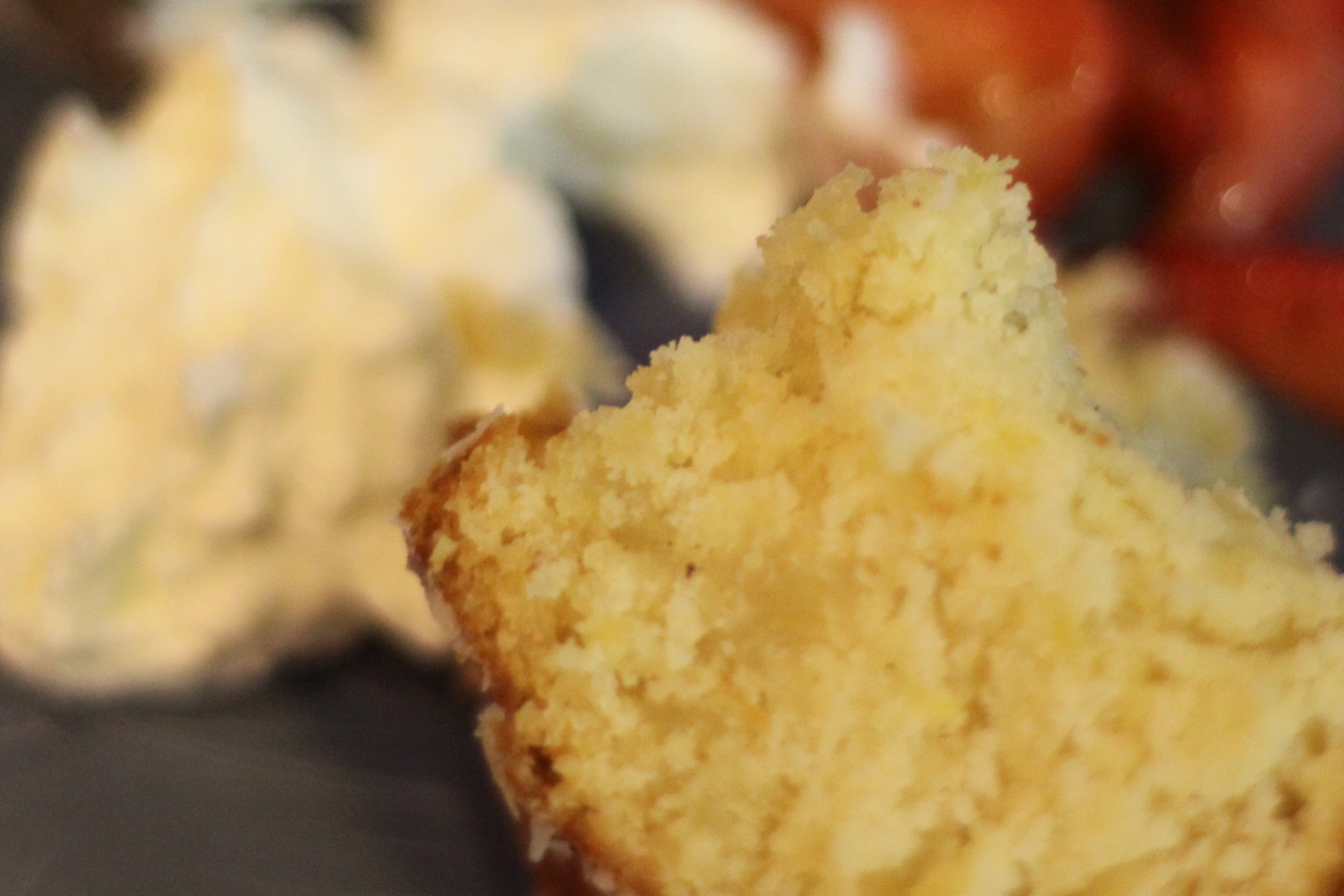
GlazeThe thing I love about this cake is that it is cake. Deceptively simple, its lemon flavour shouts with joy. Its fluffy and yet slightly damp – a pretty good combination if you ask me. Leftover cake becomes a little more solid, like pound cake … nothing to frown at either. You can bake it in 2 9-inch cake tins as well – if you did it this way, I would ice with whipped cream and have a layer of strawberries and whipped cream in the centre. Either way, this is a great dessert which people really flock to – its less rich and decadent than chocolate cake, its a bright and fitting end to a big dinner, and its totally delightful.

Oh and please… dont forgo the lemon glaze. Its fantastically tart, adds a layer of sweetness, and a textural crunch to the crust of the cake. It doubles the lemony flavour and is an integral part of success of the cake.

I adapted this recipe from Cook’s Illustrated

Fills 1 12-cup bundt pan or 2 9-inch cake pans

  • 3 + 2 lemons
  • 3 1/2 cups unbleached cake flour
  • 1 tsp baking powder
  • 1/2 tsp baking soda
  • 1 tsp salt
  • 3 eggs
  • 1 egg yolk
  • 1 tbsp vanilla extract
  • 1 cup + 1 tbsp buttermilk
  • 18 tbsp (2 1/4 sticks) butter at room temperature
  • 1 cup light brown sugar
  • 1 cup caster sugar
  • 2 cups powdered / icing sugar

Preheat oven to 190C (350F). If your bundt pan is non-stick, butter it well with soft butter, making sure to get into the grooves and gulleys well. If its not non-stick, melt about a tablespoon of butter, stir in about a teaspoon of flour, and brush all over pan. This should ensure that your cake comes out whole. If you are baking in cake tins, butter and then line the tins with parchment or baking paper.

Wash the lemons well (I hope you are using organic lemons – they make such a huge difference in flavour!). Grate the lemon peel into a small non reactive bowl, making sure not to grate any (or much) of the pith. Slice the lemons in half, and juice the lemons straight onto the lemon peel. You should have 5 – 7 tablespoons of lemon juice and peel. Set aside for at least ten minutes or so – the acid in the lemon juice will soften the peel so that when it gets added to the cake mixture, it will melt straight into it.

In a small bowl (I actually used a large 4-cup measure – less washing up), whisk together the flour, baking powder, baking soda and salt. Set aside.

Whisk together the eggs and egg yolk until lightly lemon colored, and set aside.

Whisk the vanilla extract (a whole vanilla bean would work wonders here as well but would be rather decadent!) and the buttermilk into the lemon juice and rind. Set aside.

Cream together the butter and sugars until light and fluffy. Really allow your mixer to do some work here – you want a creamy mass where the sugars have really been incorporated into the butter. Dont overbeat, but dont just mix it all together quickly either. The basis of a good cake is a solid creamed sugar and butter mixture.

Add the eggs and whisk again until a batter forms.

Add the flour mixture and lemon-buttermilk mixture alternately until all is incorporated and you have a thick batter.

Spoon into your bundt pan (or divide evenly between your cake pans), and bake for 45 – 55 minutes, or a cake tester is inserted and comes out clean.

Let the cake cool in the pan for about 15 minutes.

While the cake is cooling, juice the remaining lemons, and whisk together the lemon juice, 1 tbsp buttermilk and powdered sugar. This will be your glaze. Set aside, covered, until you need to use it.

Then, rap the bundt pan sharply against a flat (strong) surface a couple of times. This should loosen the cake out.

Flip the cake onto a cake rack, and lift off the bundt pan in one smooooth move.

Place the cake and cake rack over a jelly roll pan (to catch any dripping glaze) and slowly pour over about half the glaze. This will soak into the still warm cake. Leave to settle for about an hour, and then pour over the remaining glaze and transfer to a serving plate.

CakeServe with about 2 cups heavy cream, whipped with 1 tbsp sugar and 2 tbsp vanilla extract, and a punnet or box of strawberries, hulled and chopped and mixed with a tablespoon of aged balsamic vinegar.

Photographs copyright Chan KY


Iced Fruit Tea

24 Oct

TeaThis is the absolute perfect iced tea to serve at large gatherings. Its refreshing, lightly sweet, and the rooibush (red bush) tea is naturally cleansing – it helps cut through the richness that is usually present in group meals. I love this fruit tea because you can really adjust it to your preference. I like it bright and fruity. If you want it sweeter or deeper, use more juice and less tea.

Frozen fruit is a wonderful addition here – I used seedless grapes. They act as sweet, gorgeous ice cubes, so ice doesnt water down the tea. They also add a distinct taste to the tea which creates layers of lovely flavour. By the way, if  you want to make this into a sangria, feel free to add a bottle of wine! 😉

This ice tea should serve 10 – 12 people. We served it in a large punch bowl, with extra in big jug. It was all finished by the end of dinner … and it was goood.

  • 1 large bunch seedless grapes
  • 3 starfruit
  • 5 rooibush (red bush) tea bags
  • 1/2 cup fresh lemon or orange juice
  • 1 litre fruit juice (I used Ceres mixed fruit juice)
  • 1 litre sparkling apple juice (I used Appletiser – no sugar or preservatives added)
  • 1 litre sparkling water

Wash fruit. Halve grapes, and slice star fruit thinly. Place all the fruit in a large zip loc plastic bag, and freeze for at least 1 – 2 hours.

Boil 1 1/2 litres water and pour into a large pot or heat proof bowl. Add the rooibush tea bags, and allow to steep for 1 – 2 hours, or until cool.

Just before serving, fish the tea bags out, and mix the cooled tea with the fresh lemon juice, fruit juice, sparkling apple juice and sparkling water.

Add the frozen fruit and mix well. Serve happily.

Potato Salad

24 Oct

mmmmmYesterday, my Mak Enda had a barbeque to welcome her daughter, S, back home. I find that Malaysians tend to be nomads… we wander the earth, but somehow always come back home. I dont know if its the heat or the chili that draws us, but we always find our way back somehow.

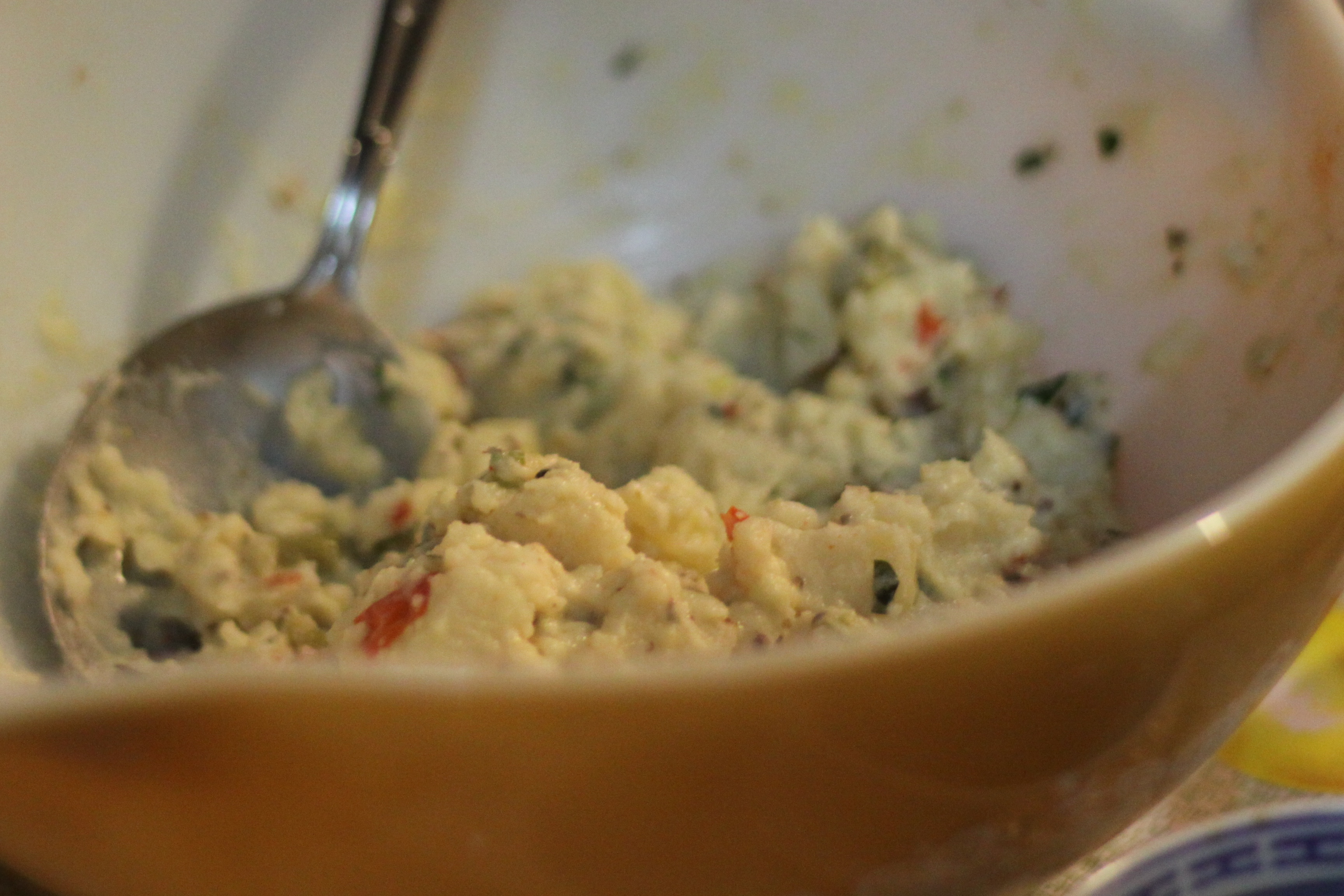
May be because I was pining for my family in the US, but I decided to make this potato salad. Its very American – and in fact the double dipping of the potatoes was taught to me by my brother in law, R, an American. It makes for a bright, tangy, sweet, creamy and yet not too heavy potato salad. If you can find Vegannaise or another vegan mayonnaise, this can be a vegan recipe.

I love the sour tastes of pickle, onion, and peppadew as well as the green fresh herbs in this creamy mix. The balance of flavours and textures is lovely, and ensures that this potato salad is not overwhelmingly rich and creamy. Dont get me wrong, I enjoy rich and creamy, but the contrasts in this salad are beautiful!

In typical Malaysian style, the potato salad was served with the grilled meats, sausages, vegetables and mee goreng (fried noodles). Someone clever realised that eating the mee goreng and potato salad together, with some cut chili in soy, was the perfect balance! I know, sounds crazy, but it was actually quite a delicious mixture (if slightly odd), and the perfect example of us mixed up nomads with taste buds from everywhere!

This will serve about 10 – 12 people with leftovers (which are fabulous the next day with a fried egg for breakfast!). Make sure you use waxy potatoes – gold, red-skinned, new, fingerling, and charlotte – because these will keep their shape best after having been boiled. If you use baking or mashing potatoes which are more floury, the potato salad will just fall apart when you try and mix in all the ingredients.

I like a cold potato salad but this is just as good if served warm.

  • 10 – 12 medium to large waxy potatoes
  • 3 tbsp olive oil
  • 2 tbsp red wine vinegar
  • 1 tbsp lemon juice
  • 1 tsp oregano
  • 1 + 1 tsp salt (plus additional to taste)
  • 1 + 1 tsp cracked black pepper (plus additional to taste)
  • 3 heaping tbsp mayonnaise (I like Kraft or Japanese mayo – but try Vegannaise for a totally vegan salad)
  • 1 heaping tbsp Dijon mustard (with whole mustard seeds if you can find it)
  • 1 tbsp pickle water
  • 2 – 3 minced garlic cloves
  • 5 pickles
  • 7 small cocktail onions
  • 7 peppadews (pickled sweet red peppers)
  • 1/2 cup Italian parsley, chopped
  • 1/2 cup spring onions, chopped

Peel and roughly chop the potatoes, and place in a large pot. Cover with water, and bring to the boil over high heat. Keep the water simmering, and boil the potatoes for about 20 – 30 minutes, or until a knife can cut through the potato easily. Test every 10 minutes or so, as different varieties of potato cook at different speeds. You want the potatoes to be just cooked through because they will continue to cook once drained.

While the potatoes are boiling, whisk together the olive oil, red wine vinegar, lemon juice, oregano, and 1 tsp each of salt and pepper. As soon as the potatoes have cooked, drain them and put them in a large bowl. Pour over the vinaigrette, and using a large spatula, gently mix to ensure all the potatoes are coated. Leave to cool down a bit, about 20 minutes or so.

Whisk together 1 tsp each salt and pepper, mayonnaise, mustard, pickle water and minced garlic cloves. Once the potato salad is warm (not piping hot), fold in the mayonnaise mixture and gently mix to ensure all the potatoes are coated well.

Chop the pickles, cocktail onions, and peppadews, and fold into the salad along with the parsley and spring onions. Taste, and adjust seasonings. I often add a bit more salt, and sometimes a few more pickles if I want it especially tangy.

Cover and refrigerate for at least 2 hours, or serve at room temperature.

Roasted Tomato Tart

18 Oct

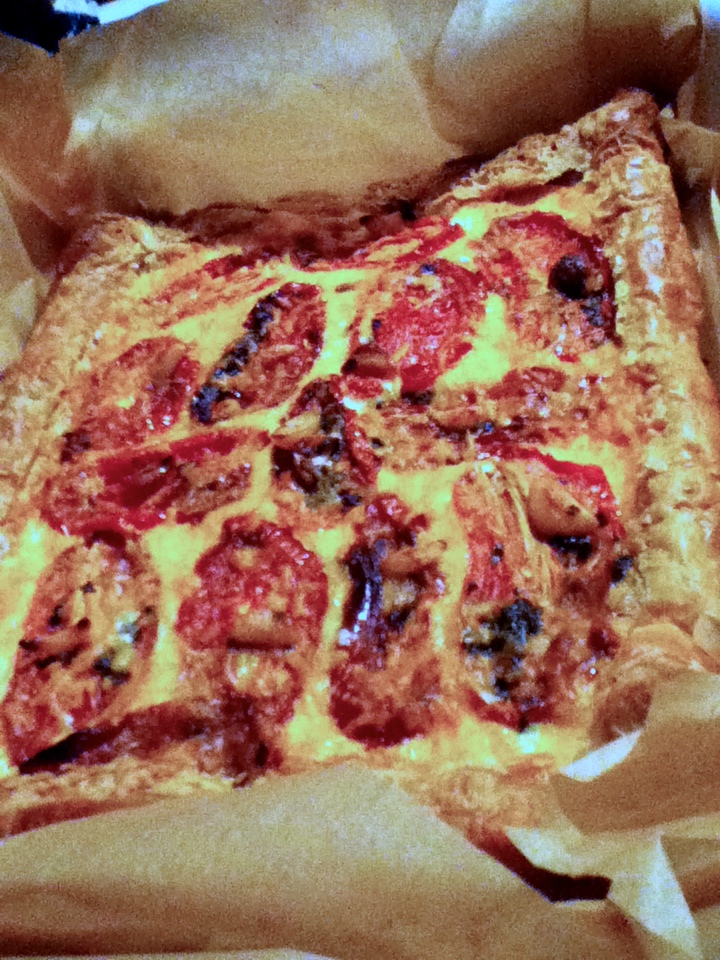
Tart!Tonight’s dinner was a work in progress during the day. It was one of those meals that you find a bit of time for, leave, and then come back to. Slow roasting the tomatoes for the tart took a while, and they really benefitted from being left in a hot oven (that I turned off) when we went out for the day.

I also roasted butternut for a soup – but that one was so simple, a recipe is kind of silly. I basically peeled and seeded a butternut, chopped it up, added a few tablespoons of olive oil and some spice – paprika, ginger, cinnamon and nutmeg – salt and pepper, and roasted it in a hot oven (225 C / 450 F) until it was soft. I mashed it, put it in a pot, poured a cup of water over, and brought to the boil. Blended it to a puree, and added a touch of milk and adjusted spices. Pure butternut heaven!

I must admit, I used Whole Foods bought puff pastry (from Dufour – amazing stuff!) for the tart. You could use best quality puff pastry, or make a cheese pastry as per the spinach pie I did the other day. Either way, you want a flat pie – almost a pizza but better 😉

I roasted these tomatoes in a very hot oven for about 20 – 25 minutes – until they were very soft, slightly burnt and caramelised, but still holding their shape and size. I then flipped them over, turned the oven off, and went out – and when we got back home, the tomatoes were slightly dried – almost like semi-sun-dried tomatoes. They had intensified in colour and flavour, without losing their shape or size. Absolutely gorgeous. I recommend this if you can – roast for half an hour in the morning, and then just leave them there. When you get home, you will have an amazing tomato dinner waiting for you! These are soooo good in pasta, in a grilled cheese, in salad, soup, just about anywhere you need a pure shot of tomato flavour.

Roasted Semi Dried Tomatoes

You will definitely have extra left over. Seems a shame to roast these tomatoes for just the one tart! Anoint your extras with a bit of olive oil and save in the fridge.

  • 10 – 12 juicy red tomatoes
  • 1 – 2 tbsp olive oil
  • Salt and pepper to taste
  • Basil (fresh or dried)
  • 1 tsp light brown sugar
  • 8 – 10 garlic cloves, sliced

Preheat oven to 225C (450F). Prepare a baking sheet with parchment paper.

Wash and dry the tomatoes. Slice them thickly (about 3 – 4 slices per fruit), destem if you feel the need, and arrange in a single layer on your baking sheet. Sprinkle olive oil judiciously over all.

Sprinkle with salt, pepper, basil and sugar. Add sliced garlic (I usually stick one or two on top of each tomato slice).

Bake for 20 – 25 minutes until the tomatoes are oozing juice, blistered a bit, but still holding their shape and size.

Take the baking sheet out of the oven, switch off the oven, and flip the tomatoes over. Put back into oven and leave for at least 2 hours if not the whole day.

Roasted Tomato Tart

  • 1 large sheet puff pastry (or cheese crust pastry to line a baking sheet)
  • 2 tbsp sour cream
  • 2 tbsp ricotta or cottage cheese
  • 1 tbsp cream cheese
  • 2 garlic cloves, crushed or minced
  • 1 egg
  • Salt and pepper to taste
  • 1/4 + 1/4 cup grated cheddar cheese
  • Roasted tomatoes

Preheat oven to 180C (375F). Line a baking sheet or pan with parchment paper.

Remove parchment paper from the baking pan, and place flat on table. Place a sheet of puff pastry (or a square of your own made cheese pastry) onto the parchment.

Roll out the pastry to to a rectangle about 18″ by 12″ and then fold over the edges by about 2 inches all around. Pinch to make sure the folded over edges stick, and using a fork, prick holes in the centre of the pastry. Slide onto your baking sheet or pan, and bake for about 25 minutes, or until the pastry has puffed up and is a light golden brown.

If you are using puff pastry, remove from the oven, and dig out about half of the centre layers. You will have very puffed edges, and a crisp centre.

Beat together the sour cream, ricotta, cream cheese, garlic, egg, salt and pepper and 1/4 cup of grated cheese. Pour into the centre of the pastry.

Arrange the roasted tomatoes on top of the mixture, and sprinkle with the remaining grated cheese, making sure you dont cover the tomatoes completely.

Bake in the oven for a further 20 minutes or so, or until the centre is puffed and browned.

Slice into pieces and enjoy! This can be served at room temperature, or even from the fridge the next day and is still very scrummy.


Apple Butter

17 Oct

Today, we went to a farm and picked our own pumpkins for Halloween! It was an amazing outing – Z got to see her first live goats, pigs and cow, and we took a hayride. It was really fun, and such a pleasure to be outside on a sunny, but cold autumn day! One of the best parts for me was wandering through the farmstall, checking out all the produce. They have an apple orchard, so you can pick your own apples, or else just take home huge bags of picked apples. All kinds of squash and pumpkins, lovely ripe tomatoes, kale, fresh baked breads… and they had apple butter!

Oh, do I love this stuff. Apple butter is completely vegan – a kind of cooked down version of apple sauce. Its very thick, rich, dark caramelised brown. It tastes, as Julia said, like Christmas – apples and spices and everything nice! Its a wonderful substitute for fats (vegetable oil or butter) in baked goods – and its phenomenal on all kinds of breakfast dishes – from oatmeal to yogurt to waffles to plain old toast. Grilled cheese sandwiches (especially brie) reach heights unimagined with a slather of apple butter. Honestly, try some!

This recipe for apple butter takes a while. Its an afternoon of cooking when you find yourself at home, and its cold outside or rainy, and you have a surfeit of apples. I always try and make this with at least two different kinds of apples, just to give it depth of flavour. And choose your spices yourself – I give you what I use, but feel free to mix it up, add, subtract or whatever tastes good to you! For depth of flavour, I also use different sugars and honey. And remember, this is totally a guide recipe – if your apples are incredibly sweet, you wont need as much sugar. But do note that the sugar is used to create the caramelised effect in the butter, and also to encourage thickening. Dont use too little or it wont set properly.

Cook this apple butter with a view to caning or freezing it. You will have loads, and its wonderful to have in the fridge when you just want something warm, spicy, indulgent and yet relatively healthy. Enjoy!

Makes about 6 cups

  • 10 – 12 large apples, mixed variety (about 4 lbs/ 2 kgs)
  • 1 cup apple cider (or apple juice – purest you can find plus 1 tbsp apple cider vinegar)
  • 1 1/2 – 2 cups of sugar – half light brown sugar, half white sugar
  • 1 tbsp honey (optional)
  • 1 – 2 tsp cinnamon (to taste)
  • 1/2 tsp each nutmeg, allspice and ginger (according to your preference)
  • Pinch of cloves
  • 1/4 tsp salt
  • Juice and grated peel of 1 lemon

Peel, core and chop the apples fine. Put in a large pot (I usually use my oval enamel Le Creuset). Add the apple cider, and over medium high heat bring the apples and liquid to the boil. Once everything is bubbling, bring the heat down to medium low, and simmer until the apples are soft and tender, about half an hour.

Once the apples are very soft, use an immersion blender (or food processor or even a potato masher) to puree the apples. You now have a version of apple sauce!

Taste. Add the sugar, honey, cinnamon, nutmeg, allspice, ginger, cloves, salt and lemon and stir well to combine. Taste and adjust seasonings, remembering that a long slow cooking will caramelise everything and make all the flavours much more intense.

You have a choice now. You can bake the apple sauce in the oven (set quite low – about 125 C / 250 F) for about 3 – 4 hours, stirring every half an hour or so. Or you can cook it over low heat on the stove top, stirring often for up to 2 hours. I prefer this way because I love the scent and the warmth of the apple butter filling the house, and I believe that constant stirring makes for a smoother butter.

Either way, by the end of the cooking time, you will have a very thick, very caramelised dark brown butter, scented with spice and tasting of the essence of apple. Enjoy the fruits of your labour, and give some to friends so they can taste your love too!