Archive | Favourites RSS feed for this section

Rendang Potatoes!

4 Sep

DelectableI have long mourned the loss of rendang from my life as a vegetarian. My sister, too, says that the one thing she might consider eating meat for again is rendang. For those of you who dont know this food of the Goddesses, here is the definition of rendang from Wikipedia:
Rendang is made from beef (or occasionally chicken, mutton, water buffalo, duck, or vegetables like jackfruit or cassava) slowly cooked in coconut milk, spices and sometimes kerisik (toasted coconut paste) for several hours until almost all the liquid is gone, allowing the meat to absorb the spicy condiments. The cooking process changes from boiling to frying as the liquid evaporates. The slow cooking process allows the meat to absorb all the spices and to become tender. The spices may include ginger, galangal, turmeric leaf, lemon grass and chillies.

Its as good an explanation as any … rendang is difficult to explain, because its kind of curried, but not really. But once you eat it, it can become obsessional. Each state in Malaysia has a different kind of rendang, and we grew up eating Rendang Tok from our Dad’s home state of Perak. We of course consider that the height of rendang. But to be honest, since we both became complete vegetarians, any kind of rendang would be most welcome.

One of the reasons I love cooking is that inspiration comes from strange places. I have often wondered how to translate rendang into a vegetarian dish that was easily accessible. Jackfruit and cassava are not available here in the US, at least not easily, and so … I was looking at the potato gratin I made the other night, and marveling at the alchemy which turned the milk and cheese into a gooey sticky lovely binding for the potatoes, and suddenly, I thought, oooh. What if I put a rendang sauce together with boiled potatoes and roasted the whole thing in a high oven? I think I might be on to something…

So today, when I had quite a bit of time to potter about the kitchen, I decided to make rendang potatoes. I served them with rice and a beautiful mixed vegetable curry, which got quite a bit of sweetness from sugar beets and artichoke hearts and stems. The potatoes were spicy, salty, crispy and gooey with rendang paste. They were phenomenally good.

If you have access to a great market, try and make your rendang sauce from scratch. I give you below a basic recipe for rendang sauce that you can then treat as I do to prep it for the potatoes. If you dont have access to a good market, do as I did. Buy rendang sauce, jazz it up a bit, and boil it down until it is very very dark and very syrupy. Mix it with boiled potatoes, add a bit of olive oil or peanut oil, and roast until the rendang sauce becomes a paste, coating and loving those gorgeous crispy potatoes. Heaven.

For rendang sauce

I used 1/2 bottle of Rendang Sauce from World Market. I mixed it with:

  • 1/2 can thick coconut milk
  • 1 tsp cinnamon
  • 1 tsp tumeric
  • 1 tsp salt
  • 3 tsp toasted sesame oil
  • 1 tsp light brown sugar
  • 1/2 tsp honey
  • 1 tsp grated fresh ginger
  • 1 tsp grated fresh garlic
  • 1 tsp paprika
  • 1 tsp red chili flakes
  • 1 stalk of lemongrass, smashed

Boil this concoction in a saucepan over medium high heat for at least 30 minutes, mixing often. You might need up to an hour. The mixture will turn from light brown to a deep dark chocolate brown, and will reduce by up to 3/4ths. This is very very good. Taste and adjust seasonings. Once it is ready, fish out the lemongrass stalk, and set aside and prepare your potatoes.

If you are cooking the rendang sauce from scratch, you will need:

  • 2 – 5 fresh red chilis, seeded and chopped
  • 3 dry red chilis
  • 2 inches galangal root (a type of Asian ginger), peeled and chopped
  • 1/4 red onion, chopped (or 3 shallots, chopped)
  • 5 cloves of garlic
  • 1 inch ginger, peeled
  • 1 stalk of fresh lemongrass, smashed
  • 1 tsp fennel powder
  • 1 tsp cumin powder
  • 1 tsp tumeric

Create a paste from these ingredients in a food processor. Add a tiny bit of water if you need it, but you shouldnt really. Set aside.

  • 4 -5 tbsp olive oil mixed with peanut or toasted sesame oil (about 50/50)
  • Spice paste as above
  • 1 stick cinnamon
  • 2 cloves
  • 2 star anise
  • 1 tbsp tamarind pulp (mixed with water and deseeded)
  • 1 stalk of lemongrass, smashed
  • 7 kaffir lime leaves, thinly sliced
  • 1 tsp white pepper
  • 1 – 2 tsp light brown sugar, or palm sugar if you can get it, to taste
  • 2 cups thick coconut milk
  • 1 – 2 cups dried grated coconut, toasted

In a large saucepan, over medium high heat, heat the oil, and fry the spice paste until it becomes fragrant, and begins to separate from the oil. Add the rest of the spices, sugar and coconut milk . Mix well, and allow the mixture to boil until it is reduced by at least half. This can take up to an hour, and should be done on medium heat. Drain out the spices, and return the mixture to the heat. Add the toasted coconut, and continue to simmer the mixture until it is very thick and dark glossy brown, probably a further 30 – 40 minutes. Taste and adjust seasonings if need be. Proceed with the rest of the recipe.

Assembly

  • 1 1/2 lbs (about 3 kg) potatoes, sliced. I used fingerling potatoes, and left the skin on.
  • Salt and pepper to taste
  • Rendang sauce
  • 2 tbsp olive oil

Preheat your oven to 200 C

Boil the potatoes in salted water until they are just soft. A fork should be able to pierce one with little effort. Drain, and tumble the potatoes into a casserole dish that should fit them quite evenly. Its okay if they are crowded, but you dont want them in big layers – they will steam rather than roast.

Pour the reserved rendang sauce over, and stir to cover. Make sure every last potato has been totally glazed in the sauce. This is important, so take your time. Taste, and adjust salt and pepper if needed. Pour over the olive oil, and roast in the oven for at least 30 – 40 minutes, or until the potatoes are quite crisp, and the rendang sauce has reduced further to a thick dark brown paste.

Serve and get ready for people to go into paroxysms of joy.

The Elements of a Perfect Salad

3 Sep

Summertime, and the living is easy … Every time I get an urge to make a salad, I hear that song singing in my head. I never used to like salads (strange for a vegetarian, I know!) but that was because I grew up in the olden times when salad was iceberg lettuce with some washed out supermarket tomatoes. These days, salads are a whole different creature. They are sumptuous, delicious, delectable and can serve as an entire meal.

Dont get me wrong, I have learned to love side salads too – I think there is much to be said for the perfect accompaniment to say, mac and cheese, or pasta … where a salad needs to be fresh, sparkling, with a few key ingredients that will highlight and compliment the meal. But what I am thinking about here is a salad that is an event. A salad that stands on its own, and is immensely satisfying. When I go to non-vegetarian potlucks, I often bring the salad. I usually find that even the carnivores want more!

Here, then, are my nine elements of a really perfect salad, one that will create for you a fearsome reputation as a master salad maker.

Theme

Decide on one theme and stick to it! Salad is ripe for interpretation, and for creativity, but just as with any meal, a mishmash of ideas and thematic flavours will muddy and confuse the eater. Decide on the direction in which you want to go, and let your imagination flow from there. An Asian inspired salad could have mung bean sprouts, sesame seeds, and a rich soy honey dressing. An Indian-Asian inspired salad could have a curry mayonnaise dressing, green beans, potatoes and possibly cubes of grilled paneer. A breakfast salad could have poached eggs in it, along with toasted brioche croutons, and may be some roasted tomatoes. You get the idea…

Remember though that its important for you to depend on your sense of taste and balance when deciding on where you want this salad to go …And think very carefully about each ingredient you add. You will know if there is dissonance. I often write down exactly what I am thinking of putting in a salad. Sometimes an ingredient just jumps out at me and says, Wrong! Even if I am really craving that thing, I trust my instinct and judgement about how things will go together, and I usually take that element out, or serve it on its own. If you are making an Asian inspired salad, dont add parmesan cheese – it just does not go well! But a banana or pineapple might. If you are making an Italian salad, then may be you should think twice about having soy basted tofu as your main protein.

Your whole meal does not have to coordinate around a singular theme, but your salad should definitely incorporate elements that naturally go together. Dont try and stuff ten different vegetables together, that have no complementary value, and call it a salad. No one will believe you, and no one will eat it!

Green

While I do love a simple salad of chopped tomatoes and avocado, or a roasted potato and garlic salad, most salads in my estimation have to begin with green leaves. My green of choice is baby arugula (rocket ) – I love love love it. I love the peppery taste of it – it is substantial if you know what I mean. I love how it stands up to most anything you throw at it. But, if arugula is not available (or I am serving arugu-phobes), I also love raw baby spinach. Baby leaves of any kind are usually a good bet – they are infinitely tender, and their taste is clean and sweet. Play around with green – and if you like, add a few surprises, like some chopped basil leaves for a change of taste.

And if you know a farmer, or have your own garden, whatever green there is, use. My wonderful organic delivery guy back home delivered lettuce picked from his crop that day. I stood in the kitchen, and ate the lettuce as is, it was so beautiful. Go with your taste, and go with what is freshest. But add green!

Also, make sure the leaves are impeccably clean. Even if the package says its been cleaned already, clean it again. I read somewhere that there is more bacteria in a washed packet of lettuce than in an unwashed bundle. Just clean the leaves – it doesnt take long. I usually immerse the leaves in cold  salted clean water. The salt will make sure any little bugs left living in the leaves are encouraged to let go 😉 I swish them around in the water and make sure that any grit or dirt is rubbed off. One of the best investments of my life is a salad spinner – you can get a cheapo one from Ikea for a few bucks, and a fancier, but far sturdier one is made by Oxo. Whichever you choose, spin those leaves like your life depended on it! And then spin again! My nephews love to help to “cook” by spinning the salad leaves. Its a nice way to incorporate non cooks in the cooking process 😉 The leaves will be very crisp and dry once they have been spun a couple of times… wrap them in a clean kitchen towel or paper towels, and refrigerate them until you are ready to put the salad together (which really should be just before you serve it).

Protein

I like to have a little protein in my salads, especially as a vegetarian. There are so many lovely things to choose from – garbanzo beans add a creamy richness, seasoned baked tofu adds meatiness, quinoa adds nuttiness, as do any variety of nut (from pine to almond to cashew to macadamia – which happens to be one of my best), eggs add a silky quality, and shavings or cubes of cheese (parmesan and cheddar are my favourites) are always welcome.

I think its important to think about proteins when you serve a salad as a main course, but think carefully about what kind of protein you will use, and also if there is protein in your dessert or starter. If so, you dont need to get too het up about big amounts of protein in your salad.

I think protein adds a certain heaviness to a salad which is good. Most people think that eating salad leaves you starving. If you have a reasonable amount of protein in your salad, this can be a very filling and fulfilling dish.

Sweet

I love adding an element of sweetness to my salads. People like that surprising contrast of flavour, and they often dont expect cubes of apple or caramelised macadamias to make an appearance. But once they have a taste of that sweet juxtaposition, they often hunt for more! Sweet can come in lots of different ways – tomatoes are actually a fruit, after all, and carrots have a sugary sweetness all their own.

I usually only add one dedicated sweet element to a salad, but I try and think of something really delectable to add this sweet element. Beautiful juicy grapes are often very popular, and creamy pears are surprisingly refreshing. Roasted beetroot or butternut caramelise in their own juices and add colour as well as sweetness to any salad. I have added chunks of sesame brittle to a salad with great success. Raw corn is another great addition – if it is really fresh, its incredibly sweet, and absolutely delicious. But dont go overboard! Just one thing – and make it good!

Balance, Texture and Contrast

These to me are the most important elements when thinking about your salad. How does each ingredient juxtapose against the other? Are you getting juicy, crunch, soft, sweet, savoury, salty, bright, sparkly, rich, creamy, fresh, bitter, sharp? You need to have contrast when eating a major salad, otherwise it gets boring, and quickly. Carrots and avocados and roasted onion are very different from one another, but bound together by a beautiful dressing, they contrast in texture, but are balanced on the palate.

Boring salads, in my opinion, are salads where everything feels the same in the mouth. Salads made of soft ingredients – eggs, peas, boiled potatoes, avocado. These all have the same textural patterns, and they can totally negate each other simply by their similar mouth feel. Dont get me wrong. Sometimes, at a family meal when everyone is tired, or when eating with a baby 😉 … there is a place for texturally alike foods. But I love contrast. I love the crunch of a crouton against the juiciness of a ripe tomato. I adore the toasty rich nuttiness of sesame seeds coating the crisp snap of a green bean. Its why I always incorporate something sweet into my salads… it contrasts with the main players, but at the same time adds a much needed balance to the dish.

Also, think about how you are going to present each ingredient. A raw mushroom is very different from a sauteed one. Raw corn totally contrasts with roasted corn, rubbed with soy. A fresh juicy tomato is completely distinct from a sun dried tomato dripping with olive oil. Sometimes its fun to add the same thing but in different incarnations. This is contrast, balance and texture, and its also an intelligent way to challenge and engage the people you are serving.

Salads are compositions. Think of your salad as a work of art, a symphony, a play, a beautiful poem. The elements must be different, and yet work together as a whole. Go with ingredients that on a singular note may be beautiful, but a tad boring, but joined with other ingredients, will really sing.

Exotic or Special

When you say salad most people cant resist yawning, or rolling their eyes sadly. Salads are much maligned, but really, shouldnt be. There is so much room to play in a salad, and to that end, I often try and introduce something exotic or special into my salads. When I cook, I want to celebrate the people I am eating with. I want to honour them, amuse them, and satisfy their senses.

I often try and incorporate an exotic or special element into my salad. This could be as simple as using truffle oil in the dressing. Shaved truffles in the salad would be nice, but unfortunately totally out of my price range! Sun dried tomatoes are exotic to some, but commonplace to others. Remember who you are serving, and think about what they like – what they would consider a treat, something special. Or, conversely, think about what would surprise them in a salad – what they would find unique or exotic.

In Malaysia, strawberries and avocados are very expensive, as are nuts like pine nuts or macadamias. Pomegranate seeds are gorgeous visually, and often considered very exotic. Good parmesan is like gold. Putting one of these ingredients in a salad makes it feel like a celebration – a special meal, and for many, makes the salad much more exotic. Conversely, in America, adding star fruit or guava, cubes of papaya or slivers of rambutan, adds a certain exotic deliciousness to the salad.

Sometimes, it can be as simple as thinking about what your eaters really love. If I know my sister will be eating the salad, I often put sprouts in it. She is crazy about them. Another friend adores sun dried tomatoes. When I cook for her, my salads always incorporate them. The special doesnt have to be exotic or expensive… it can be as simple as knowing the person youre serving, and making sure her favourite flavours and tastes are represented.

Presentation

Not only do you need to think about colour and texture, but you need to think very carefully about how you will present your salad. Is everyone going to serve themselves from a communal bowl (thats how I usually do it) or are you going to present every person with a plated salad, composed like a still life water colour? Is everything going to be cold, or is there something you will cook at the last minute to add textural heat to the dish? Are you going to dress the salad first, or allow each person to dress the salad themselves (my preferred option is the latter). What kind of plates, or bowls are people going to use to eat the salad? Knives and forks? Spoons and forks? Sitting down at a table, or on the ground outside at a picnic, or gathered around the tv? Is the salad going to arrive in a big bowl, jumbled together, or laid out on a huge plate, layered in an artful arrangement? Or do you have a big glass bowl, like a trifle jar, that you can literally layer each element of the salad in, and get gorgeous stripes of colour?

How the salad will look when it is served is really important. If everything is cut the same way (whether that way be cubed, strips, or melon balled), you will have one very clean visual pattern, even if everything is a different colour. But if things are jumbled, or roughly chopped, then the salad will “feel” different. Sometimes, I feel like everything should be green and yellow and white … all similar colours, but with markedly contrasting flavours and textures. Other times, I want a riot of colour – I throw in edible flowers, and try and find  lots of different colours to create a merry riot. It depends on what you feel like, but take a moment to think about how your salad will look. Its important because people eat with their senses, and they see it first and foremost.

Think about what you want to convey when you serve the salad, and how people are going to eat it. Think about if may be serving a crusty warm loaf of bread alongside to mop up the juices would be a good idea, or if you need some other element to complement it.

How you present your salad is definitely one of the most important ways to ensure that people enjoy eating it. So give it some time and thought, and then compose!

Freshness and Limits

I have linked these two elements together because they really are about the shopping experience. I have often made a list for a salad, and gone to the market only to find that the tomatoes are completely ugly and insipid looking. Or all the avocados are rock hard or pulpy. If you have a theme in mind, you should be able to quickly find and figure out a substitute. Freshness is key in a salad because most of the ingredients you serve will be raw. If you had to choose between tender perfect figs and overripe mushy pears, choose the figs, even if the pears are your favourite. Be open to the market – be open to finding a gorgeous gem that is unexpected or not on your list. Add it if it adds value to your salad, and drop what is not of absolute perfect quality.

If freshness is key to a beautiful salad, so are limits! I have served a salad with 20 ingredients, and to be honest, its as muddy and horrible as if I were to serve lettuce leaves, and only lettuce leaves for dinner. Too much is overkill, and instead of contract, juxtaposition and texture, you will short circuit your eaters sensibilities. Try and limit your salads to 7 – 9 key ingredients at the max, though less also can. More than that, and I find its too much. Like a baby when it gets overstimulated by too much colour or too many games or too much music, an overloaded salad just makes me want to lay down and cry.

Your Own Signature Dressing

Spend a little time, and make your own salad dressing. All this though, cutting, chopping, shopping, tasting, texturalising… and you pour on a mass market made dressing? Are you kidding? Salad dressing takes almost no time to make. Its as unique as your signature, and can elevate a salad into the sublime.

Have a few salad dressings under your sleeve. I make a killer Asian dressing. I have a varied number of ingredients I use for it, and its never quite the same each time, but it does have a few basics, and its amazing. Its so good, you could literally eat it out of the jar with a spoon. People ask me for the recipe, and I always give them an outline … but they say it never turns out the same. Well, it never turns out the same for me either, but I know what I want it to taste like at any given time!

Salad dressing is easy to make ahead, and it is what ties everything together in your salad. If you make your own blue cheese buttermilk dressing, I promise you, it will be a hundred times better than anything you can purchase at the store. Even a basic balsamic and olive oil dressing can be elevated with a few fresh herbs, or a spark of fresh lemon juice. And it will be your signature, your hallmark, an expression of your creativity.

Please, if you want to be a salad master, make your own dressing!

Hopefully these few guidelines will make you think about salad in a new way. Its one of the great joys of life, one of the remarkable treats of summertime – a wonderful salad to share with those you love.

The Best Blondies

31 Aug

utter perfectionThis is my 100th post! Hooray! I never thought I had the discipline or the strength of purpose to actually commit to sit down and write a recipe a day, no matter what is happening or where I am. I have to say, I am impressed with myself 😉 Long may it continue 🙂 Today, in celebration of this personal milestone, I decided to try a new recipe. I love blondies. I am not so hot on brownies to be honest. They are too overwhelming – that mix between fudgy and crusty, and intense intense chocolate. I dont know what it is, but I like chocolate in almost all ways, but brownies are probably 100th on the list (keeping with the 100th theme!)

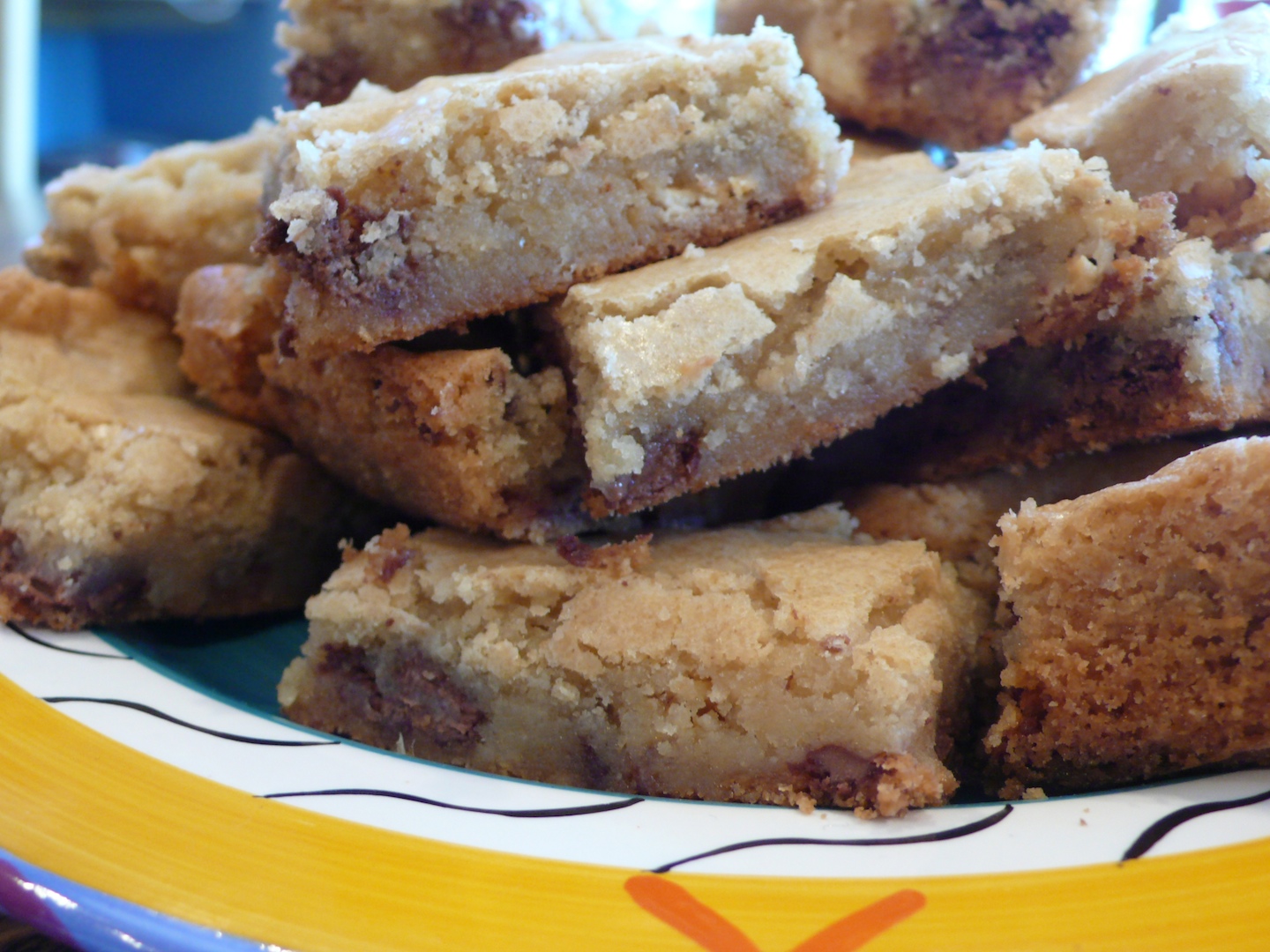
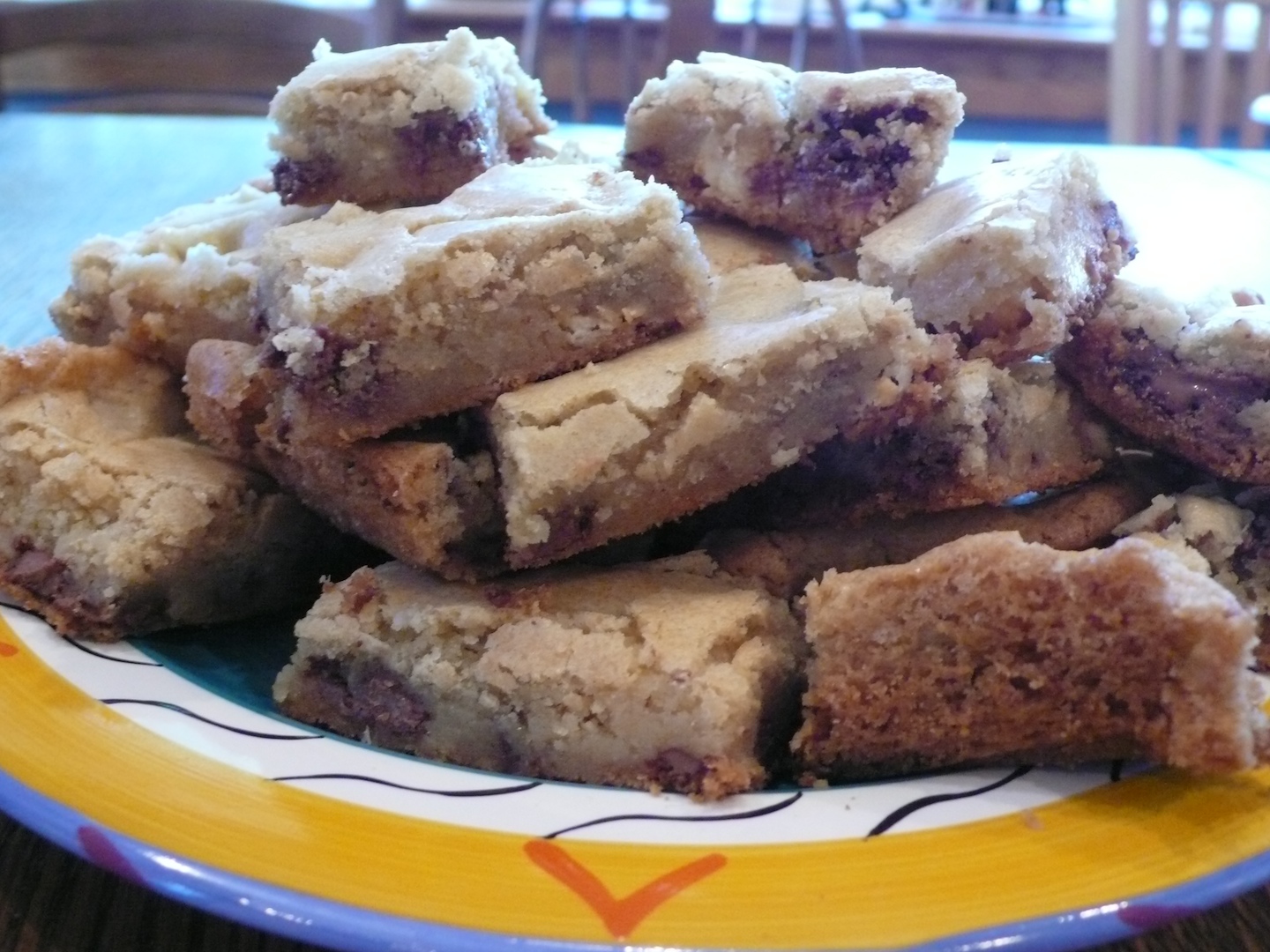
But blondies are another story entirely. Studded with chocolate, but not overwhelmed by fudge dough, blondies are chic brownies – brownies with an edge. I used Callebut white and milk chocolate here. Chopped it into chunks and mixed it with a caramelised vanilla batter. It baked shiny and crispy, with edges that were brown and crunchy, but with interiors that were the best of melted chocolate and soft vanilla cookies. Sooo good. Delicious, delectable, and amazingly easy. It took me about 20 minutes to put everything together, and another 20 – 25 to bake. Do not overbake these! They need to be cooked (and when you stick a knife in, they can be squishy, but not liquid), but if you overbake, they will get stone hard and yucky.

I adapted these blondies from a recipe on the Cook’s Illustrated website. I dont do nuts with my sweet baked goods (well on very rare occasions, but thats the exception rather than the rule). I dont know by, but its true. By the by, I also dislike chocolate and orange or lemon. Just does not do it for me. We each have our own tastes, and especially in brownies or blondies, I am a no nuts kind of person. Oh and in carrot cake, but thats another story. Anyway! The Cook’s Illustrated recipe required 1 cup of toasted pecans for these blondies. If you like nuts, toast some pecans (or walnuts or cashews, go crazy with it) and substitute the nuts for 1 cup of chocolate. Otherwise, do as I do, and revel in both milk and white chocolate 🙂

The other major thing I did was I let the butter burn a little as I melted it. I remembered the recipe for the best chocolate chip cookies ever, and how the butter, burnt to a dark brown, added a depth of flavour to the cookies. Well, I didnt burn the butter to that extent, but I let it get a little toasty. Just a hint of light brown colour. It worked really well in the finished product – the blondies had a deep caramelised flavour that came from the union of slightly burnt butter, light brown sugar, vanilla and eggs. Sublime.

This recipe will fit into a 14″ x 8″ pan. Make sure that you double line the pan with aluminum foil, and allow some foil overhang. This lets you lift out the cooled blondies easily. Also, butter that foil to within an inch of its life! With all that caramelisation going on, you want to be able to lift the blondies out easily, and buttering well really does help.

For 1 pan of totally delectable blondies, you will need:

  • 1 1/2 cups all purpose flour
  • 1 tsp baking powder
  • 1/2 tsp salt
  • 12 tbsp butter (1 1/2 sticks), melted, slightly burnt, and then cooled + 1 tbsp for buttering
  • 1 1/2 cups light brown sugar
  • 2 eggs
  • 4 – 6 tsp vanilla essence
  • 2 cups best quality chocolate, chopped, chunks or if you have to, chips (I used 1 cup Callebaut white + 1 cup milk chocolate, chopped)

Preheat your oven to 175C. Prepare your baking pan. Line a 14″ x 8 ” pan (at least 2 – 3″ deep), with double layer of aluminum foil. Allow some overhang, and push it well into the corners. Use 1 tbsp of butter and butter the foil extremely well. Set aside.

In a small bowl, combine the flour, baking powder and salt. Use a fork to mix well together. Set aside.

Melt butter in a saucepan, and allow to burn just a little bit. You want it to foam, subside, and then just start turning light brown. Take off heat and allow to cool.

Meanwhile, in another small bowl, whisk together 2 eggs and 4 – 6 tsp of vanilla. You will know how much vanilla to use, depending on the quality of the vanilla you have. Your judgement is important here, but remember you want a strong vanilla taste. Its the main flavour of the blondie, and you want it to come out well. Set aside the eggs and vanilla.

In a large bowl, whisk together the melted butter and brown sugar. Add the egg mixture and whisk well. You will have a glossy, shiny, almost caramel like batter. Taste for vanilla and adjust if need be.

Fold the flour in gently, in three parts. Dont overmix. Fold in the chocolate (or the chocolate and pecans if you are so inclined). Using a spatula or wooden spoon, coax the batter into the baking pan. Spread it around to make sure that the entire pan is filled. It may not look like much, but heat is magic – it will puff up the batter and create a phenomenal blondie.

Bake in the centre of the oven for 20 – 25 minutes, checking a few minutes before hand to make sure they have not overbaked. The top will be shiny, slightly cracked, and light brown. A toothpick stuck into the blondie will come out with crumbs sticking to it – but if it comes out covered in batter, it needs more time.

yummmOnce done, take out of oven and allow to cool in pan for at least 20 minutes or so. Use the aluminum foil to remove the blondies from the pan, and cut into squares. The tops will be crisp and crackly, the bottoms will be golden and the centres will be squishy and vanilla-y and bursting with melted chocolate. Serve with vanilla ice cream if you want to be overly decadent.

MoMA Obsessions

29 Aug

I wrote in an earlier post about how most passionate cooks have obsessions – knives they love, immersion blenders, wax paper! Well, my sister left a copy of the Museum of Modern Art catalogue on my bed for me the other day, and I am truly obsessed. Their kitchen stuff is amazing … not only does it look gorgeous (oh how I wish my whole kitchen was design chic!) but some of it is bloody brilliant too! If I had an unlimited budget for this trip to the US, these are the things I would bring home with me:

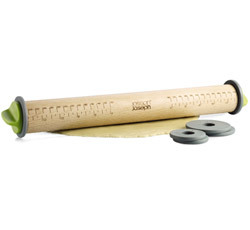
An adjustable rolling pin. USD$20.00. How clever is this?! Not only does the rolling pin have measurements printed on it (so you know youve rolled out enough for a 9 diametre inch pan, for example) but it also has disks which you slot onto either end of the pin. These disks will ensure that you get the proper thickness of dough – from 1/4″, 3/8″, 1/16″, 1/8″ – wonderful for a pastry cook who needs to follow precise instructions.

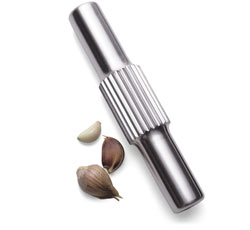
Garlic crusher – USD$25.00. Clever and beautiful all at the same time! This sculptural piece of steel pulverises garlic in one easy roll. Much easier to clean than a garlic press, and because its made of steel, you can use it to wash your hands of the garlic smell too! I love this piece. Its something I would use all the time!

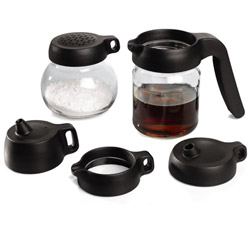
Jar Tops – USD$25.00. Green, sexy and clever, all rolled into one! Repurpose those glass jars with universal screw caps. Theres shakers, pourers and cruets. I think I might have to get this… so smart! I love the idea of using a pourer for milk, and then repurposing another glass jar and using the pourer for a sauce. Such a useful set to have in any kitchen.

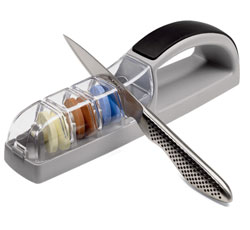
I have been looking for a good knife sharpener for a long long time. I have tried loads of different sharpeners, but I never get it quite right. This one (USD$65.00) uses water, and coarse, medium and fine grinding wheels to ensure a perfect blade. And with my knife obsession, it is worth it to look after them well. My hands tell the story of poorly sharpened or blunt knives – theyre just not worth it if you cook often!

This pan scraper (USD$15.00) was designed by Martin Puryear, and accompanied a major exhibition of his work at MoMA in 2007. It looks like a piece of art and is supremely functional. Its blade rotates 360 degrees, and yet it is made of nylon so it wont harm non stick pan surfaces. Wonderful for cleanup, to get all the bits and pieces out of a pan or pot or dish, and beautiful to look at. I want one!

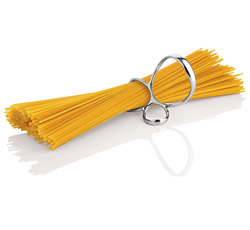
Talk about art! This spaghetti measure (USD$26.00), designed by Paolo Gerosa, and made by Alessi is stunning. Each loop measures out a certain amount of spaghetti – for 1, 2 or 5 people. Depending on how many you are serving, you just do a little math and you have exact measurements! It looks like a knuckle duster, and I wish my whole kitchen was designed with beautiful objects like this in mind.

Do check out the MoMA online shop. Their things are exquisite. Curated shopping for form, function and design. Just such a feast for the senses! And a big dent for the credit card 😉

Abundance

21 Aug

Sunday is my sister’s birthday, and of course I am planning a really lovely meal for her. I am trying to rein myself in a bit because its really muggy and hot here at the moment … and you dont really want to eat lots of rich overwhelming hot dishes when its a thick summer’s day. But I do want it to be an exciting meal, and to that end, I went mosey-ing along to Whole Foods (my personal mecca) to see what was in store. I have never been there during the summer months, and I have to say… WOW. Amazing, beautiful, gorgeous, luscious, astonishingly bright, delicious, fragrant, touchable, edible fruits and vegetables. I mean really, really stunning. I probably spent about an hour in the produce section. I couldnt believe how lovely and tempting everything looked…

These are just some of the things I picked up…

Such colour and texture and taste!

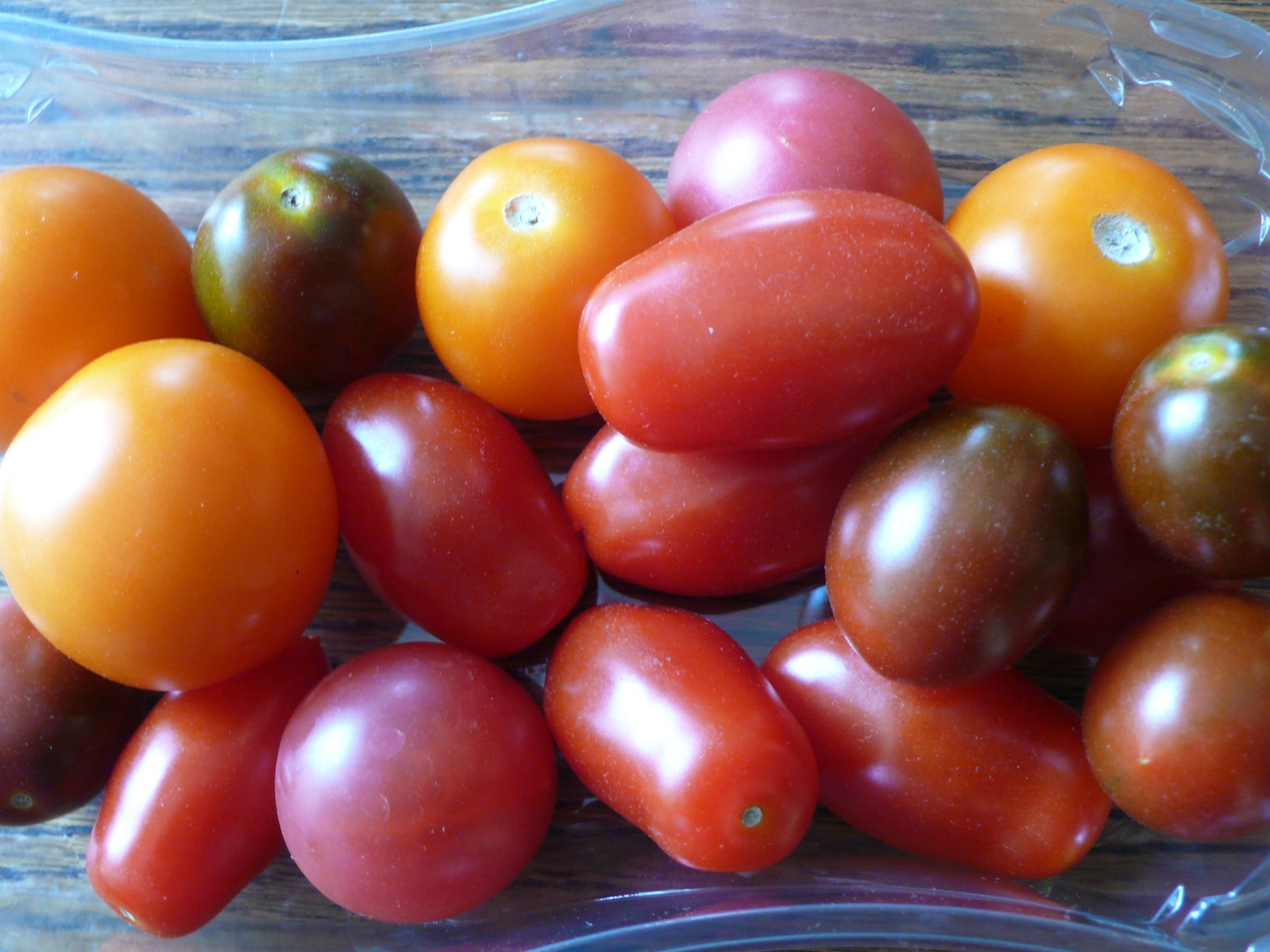
Check out these baby heirloom tomatoes. Seriously gorgeous. I chopped some up tonight to go into a bean (pinto and kidney) stew. They added brightness and freshness and a certain pizzaz to the dish. I just love how they smell… essence of tomato but each one subtly different.

Lusciousness

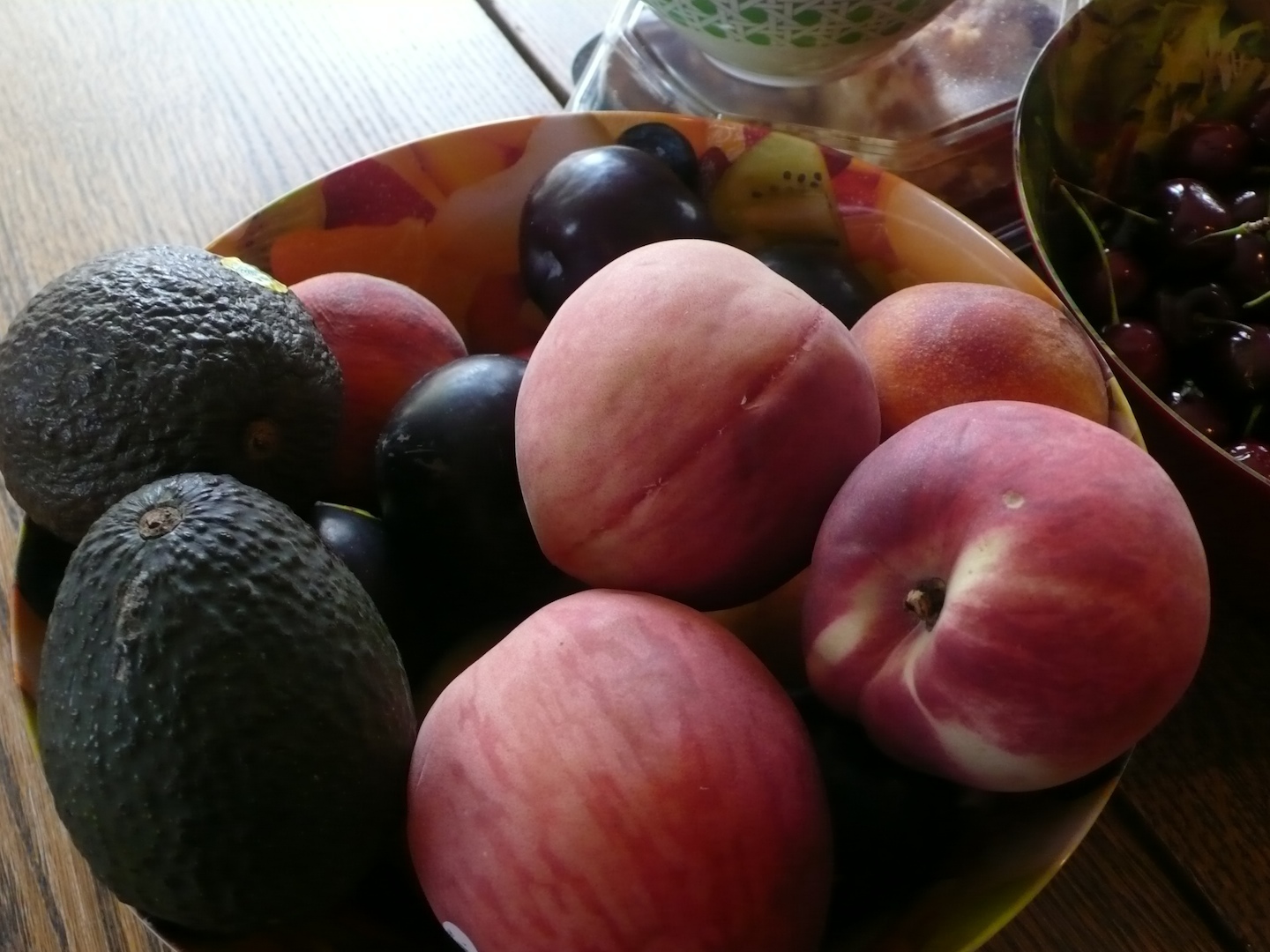
Peaches, with baby fuzz skin, and a scent like a perfect perfume. Flesh juicy and sun warmed, sweet and tangy and thirst quenching … like your first kiss. Unforgettable. And the avocadoes… bright green and creamy, we had one for lunch today, sliced thin and sprinkled with salt and pepper and a tiny drizzle of olive oil. With sour dough bread, and some smoked white fish salad. What a summer’s meal!

Cant eat just one...

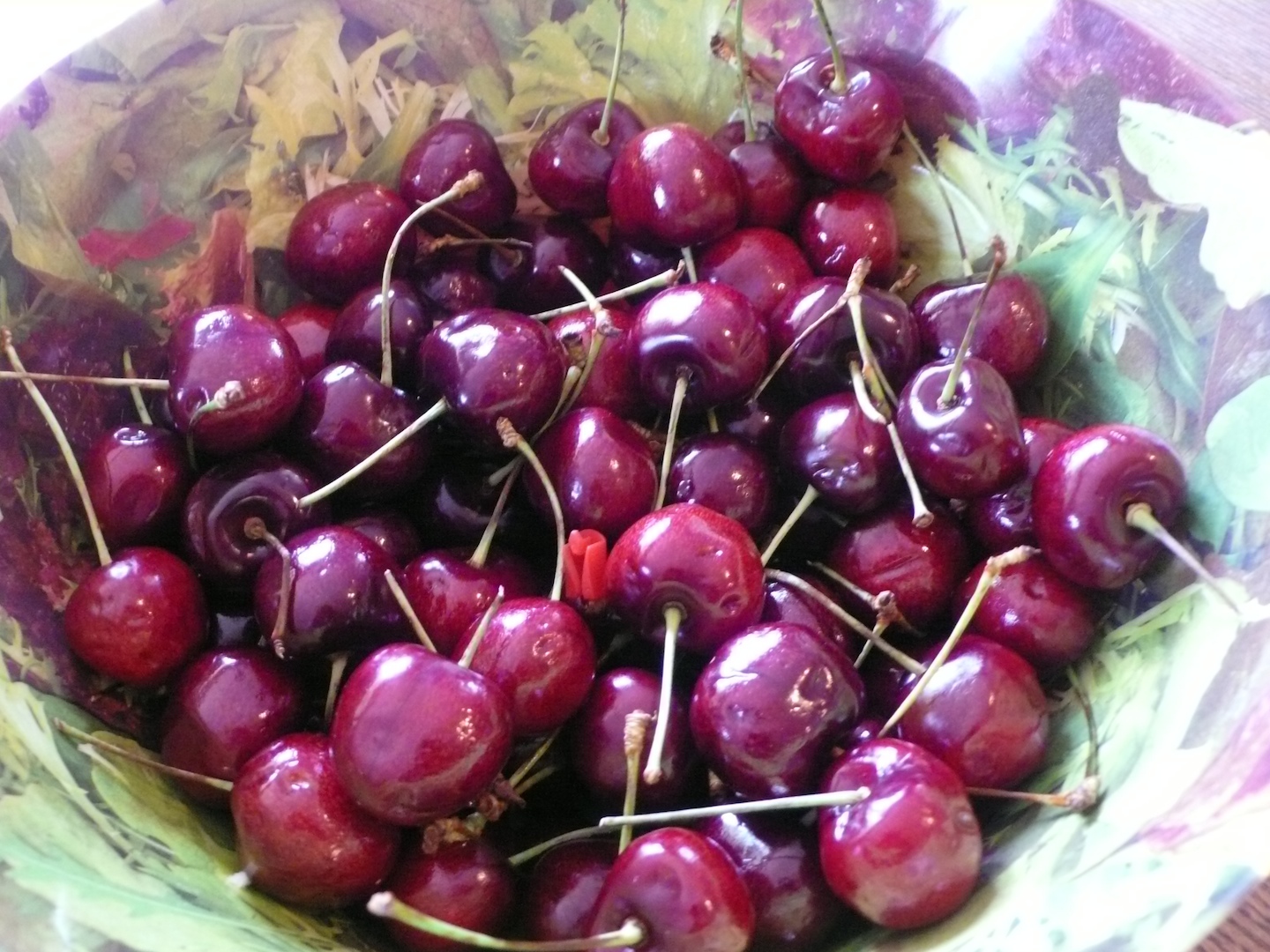
Oh these cherries. So glossy they seemed out of a magazine. Such blood red colour, and tartsweet flesh. Staining our lips red, like lipstick. These cost ten times as much in Malaysia, and when I had these today, I realised the ones at home dont even taste like cherries should. These had such a complete and full flavour that all your senses are satisfied after eating just a few…

Oh My Goddess

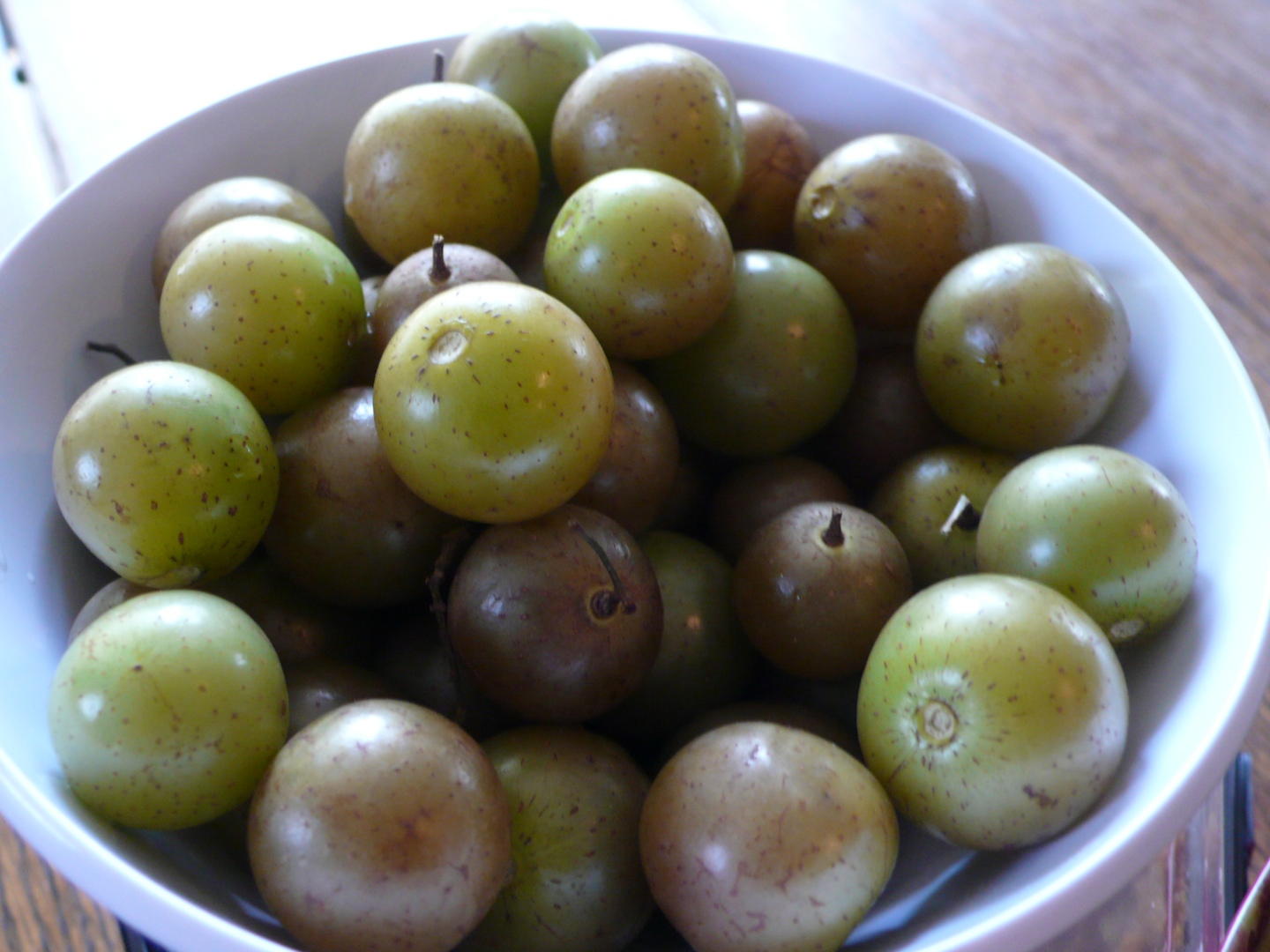
These grapes were phenomenal. We had them for dessert with the cherries. Thick skinned, so you had to work at biting into it, but once you did … An explosion of juice, the essence of grape – but greenpurplered all combined. You had to spit out the seeds and skin after, but each bite was like a firework going off. Amazing!

Roasted for dinner tonight :)

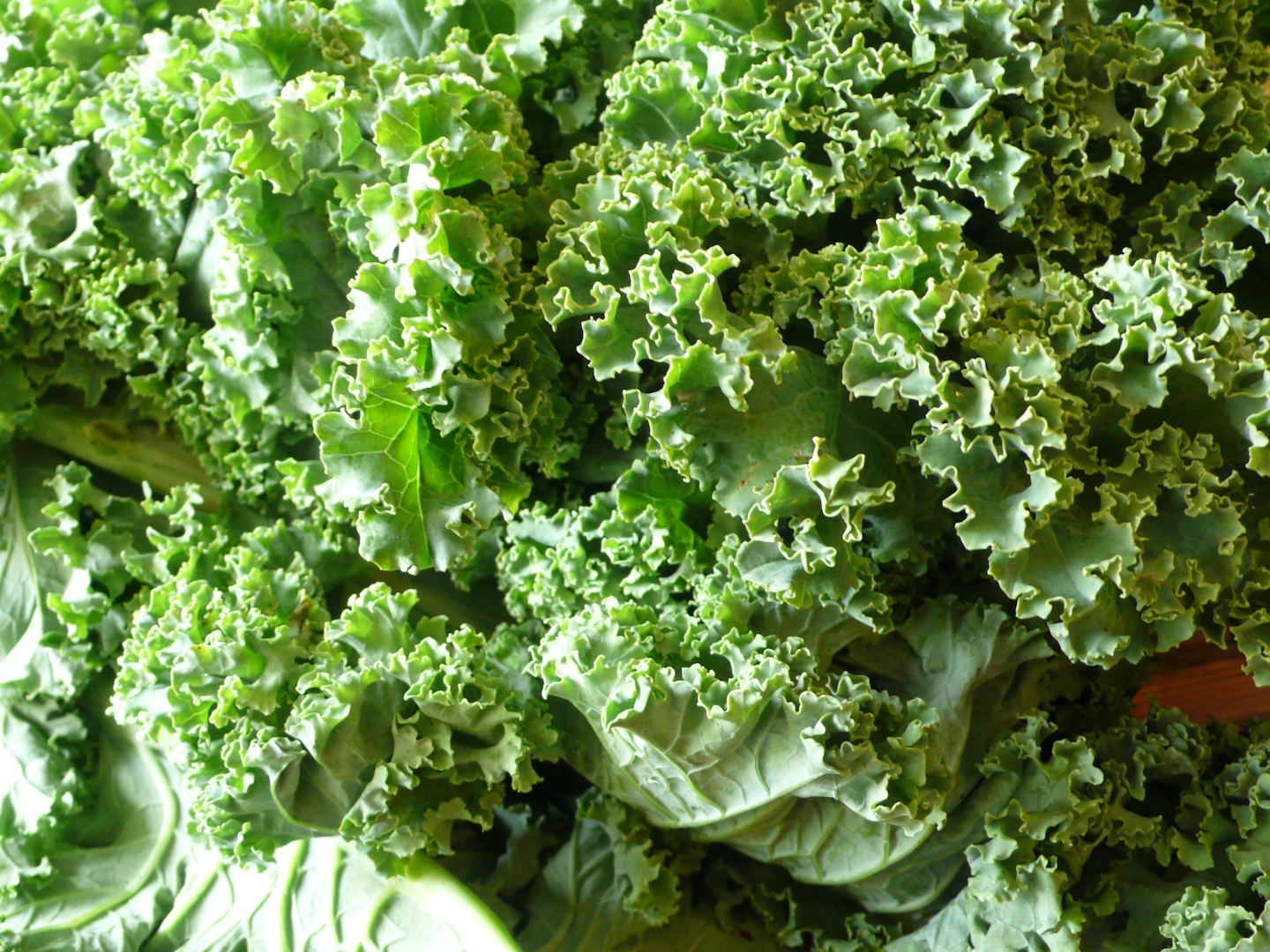
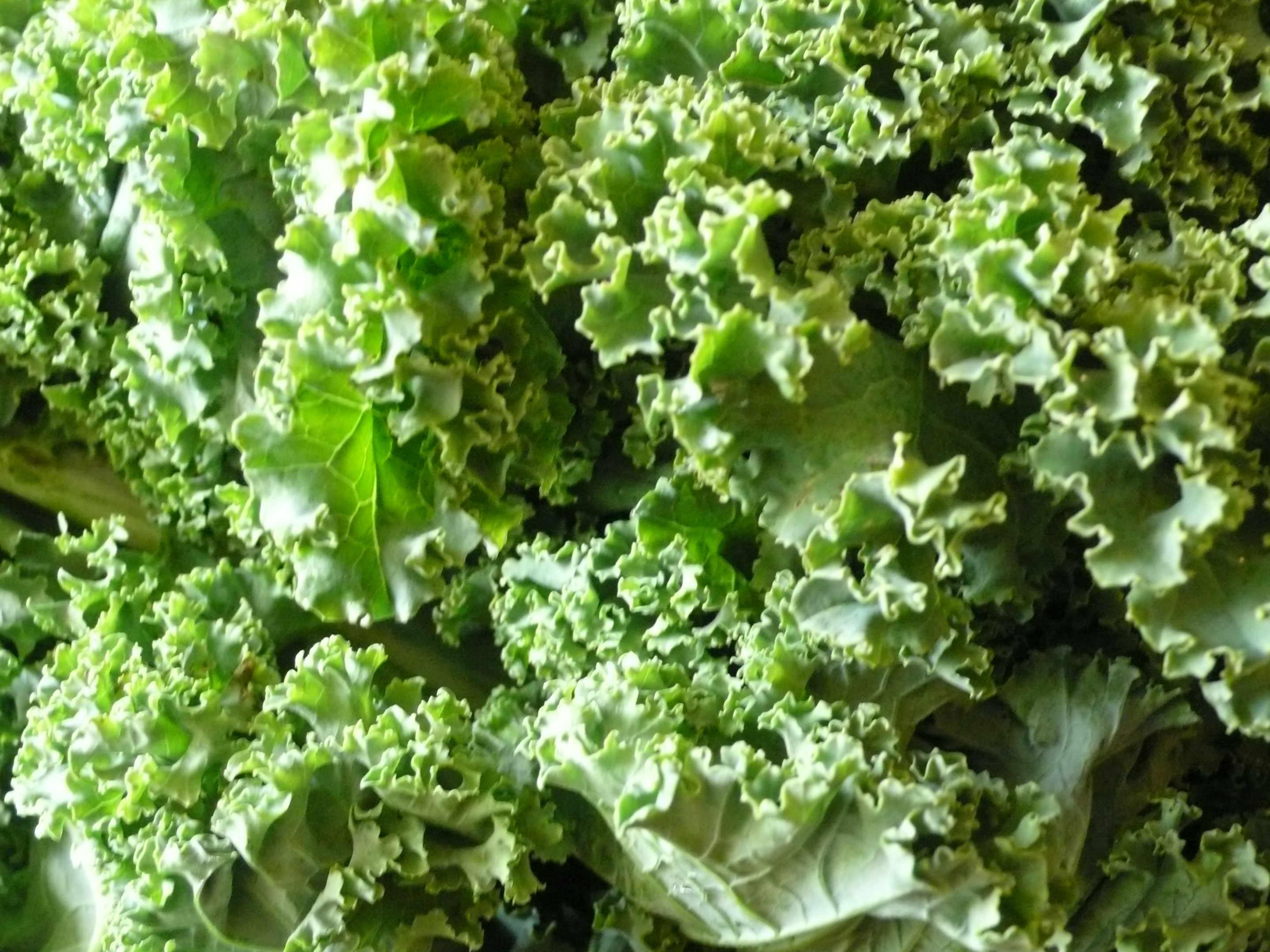
Have you ever seen such beautiful kale? Frilly, thick, perfect. Roasted it for dinner tonight with bean stew and rice. What a great, healthy, vegan meal. Simple and yet infinitely satisfying. This kale was so vibrantly green it almost hurt the eyes. And it was absolutely delicious. Earthy, strong, vibrant.

Perfection

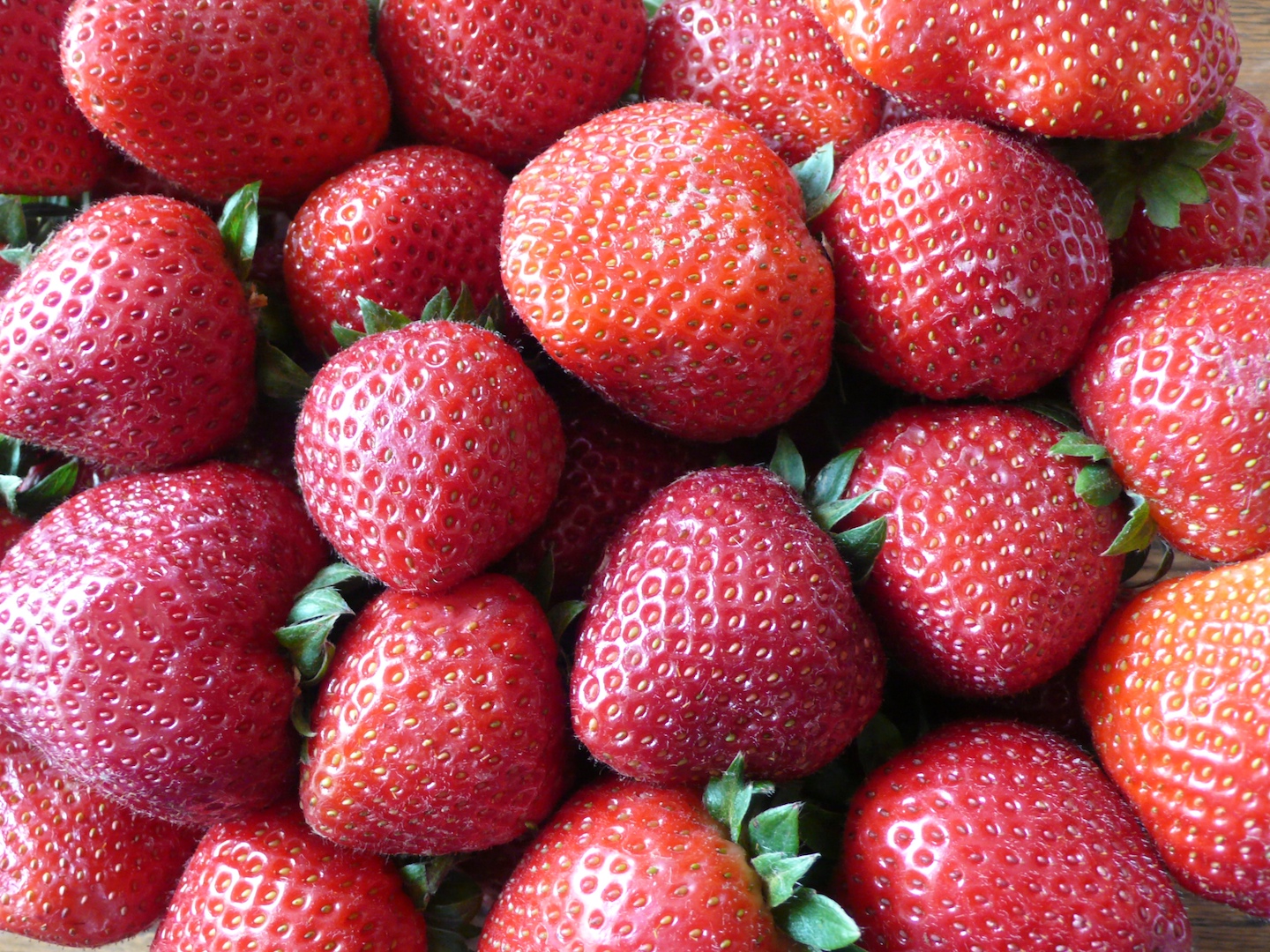
Strawberries. I was literally assaulted by the perfume of these berries in the store. I tried one, and they were sooooooo good. I couldnt resist. I got a four pound box first, but then decided may be it was overkill, so I compromised with a 2 pound box. Again, it cost about ten times less than it does in Malaysia, and these were so richly strawberry-ish I couldnt believe it. I plan on making a strawberry fool with some organic whipped cream to go with the chocolate cake for M’s birthday dinner…

There were so many other things – firm succulent mushrooms, tender delicate raspberries, red and green figs, leeks, parsnips, arugula, elephant garlic, bright broccolini… I was totally and blissfully immersed in these lovingly grown and sold fruits and veg. I was so happy today, and I am so thankful that my family and I can experience such abundance.

Speaking of which… I am still musing on the menu for the birthday dinner, but I think its going to go something like this…

  • Poached fig tart – made with a walnut crust, mascarpone and blue goat’s cheese base (all local cheeses), and wine poached figs on top
  • Mushroom pastry
  • Roasted butternut and parsnips
  • Broccolini with almonds
  • Honey glazed carrots
  • Heirloom tomato salad
  • Arugula + Avocado
  • Creamed spinach
  • Chocolate blackout cake with a raspberry coulis + Strawberry fool

What do you think? 🙂

Nigel Slater’s Perfect Summer Pudding + A Quick Nathalie’s Recap!

13 Aug

Tonight we had an amazing dinner at Nathalie’s Gourmet Studio – good food, wonderful company, and the inspiration of a truly passionate chef. I had the tomato crumble with a goat’s cheese cream for starters – sublime, out of this world decadence. Just gorgeous. Goddess had a crab mille feuille which was just stunningly beautiful in its construction. JoB had a reconstructed salad nicoise which had the most perfectly simple (and simply perfect) dressing. And Goddess’ Spouse had a scallop tart with absolutely sublime deeply simmered onions. For mains, the table was split evenly. Carnivores devoured a steak in a gorgeously lush looking red wine reduction, with grilled vegetables and the delicious-est polenta I have ever had – cheesy, crisp on the outside, meltingly creamy inside. We vegetarians (or otherwise) had home made tagliatelle with a mushroom foam and a tangle of wild mushrooms. Surrounding the tagliatelle was this simple seeming, brave, delightful mushroom broth. Amazing taste. Amazing balance. So smart it made me joyous!

And dessert! Again, we ordered everything on the menu. A mango cream under a shortbread crust with a deep blazing yellow mango sorbet. A “big mac” of a huge chocolate macaron, with strawberries, and a perfect scoop of strawberry basil sorbet in the centre. A litchi combination – raspberry and litchi espuma, litchi sorbet, and a raspberry litchi mille feuille. A trio of a caramel vanilla cream puff, a salted caramel macaron, and a chestnut chocolate mousse. And a green tea mousse with a chocolate ribbon running through it. Needless to say, we devoured it all, so happily, with the joy and comfort of good friends and family.

So tonight, I just didnt have time to cook. I am packing for the US (slightly frantically, but trying to be calm). But I have been wanting to try this recipe, so I decided it is going to be a “cheat” night. I share this recipe with you, which I bookmarked in 2001. Its a perfect summer pudding recipe, written with wit and passion and opinion and love by one of my favourite food writers, Nigel Slater. I hope it inspires you. I am going to try a version of it soon and will report back. But for now… enjoy the writing of a brilliant cook. With love, from a very replete and sated me 😉

—————————————————————–

Perfect Summer Pudding

By Nigel Slater

The Observer, August 5, 2001

One of the things that exasperates me about the insatiable demand for ‘new’ recipes is that it doesn’t give anyone time to get something well and truly right. I see nothing wrong with tinkering with an idea until it is as good as it can be; in fact, I see everything right about it.

I just don’t understand the desire (or is it desperation?) for snatching up a new recipe, rushing through it, then dashing off for the next cookery magazine, book or television programme for the next new thing. What is it exactly that these cooks are frantically searching for? Wouldn’t it be better to find a dish that they know and like and then to work at it until it is absolutely to their taste?

There is much, much pleasure to be had in honing a dish to perfection. To get to know the little nuances and pitfalls, the tricks and the intimacies of a recipe, and add your own signature if you wish. If this is a search for perfection – and I suppose it is – then we have to work out the crux of it all: the real reason why an idea appeals to us. We need to identify the heart and soul of a dish and get that part of it right. In some ways you can get this from a well-written recipe. But the truth is that there is more to it than that. Some of it is intuition, a gut feeling that you have understood what I like to call the ‘essence’ of the thing. The part of something that really rings your bell. If you like, the whole point. Identify, and then pursue.

By identifying that point, you will know what you are aiming for and why you are cooking something. I would argue that in a risotto, say, it is not just the grains of stock-saturated rice that are the essence of the dish, but the way in which the limpid stock holds those wet grains together on your fork. (Which is why vegetarian stock never makes quite the perfect risotto, because it lacks the gelatinous quality of chicken stock.) In a piece of roast pork it is the contrast between the sweet, rich meat, succulent fat and crisp, salty crackling. And in a chocolate brownie it is (for me, at least) the contrast between the crisp crust and the moist, but not wet, cake beneath.

I could go on, and indeed I will – at least once a month over the next few weeks.

We are not talking about textbook perfect here, as in the arrogant and often misguided notion of how something ‘should be’ (usually by self-styled tin gods of the cookery world, who are hiding their ignorance behind a smokescreen of arrogance), but in that it will give you as much pleasure as you can possibly get from it. So, not only have you had the pleasure of sniffing, stirring and tasting, but the end result is as near to perfection as you can ever imagine it being. You have found and understood the very reason for that dish, that recipe. Now that is what you call cooking.

And so it is with summer pudding, that rough’n’tumble of raspberries, currants and bread. I rank it with Christmas pudding as one of the best recipes ever, except, of course, that the weather is usually better. It matters not one jot if you make it in a shallow dish, a pudding basin or, charming this, in individual china dishes. What is important – no, essential – is the juice and how the bread soaks it up. This is your ‘essence’. The crux of the matter.

We must work out our own preference for the ratio of the three different berries.

I like a proportion of blackcurrants, a tart counter to the ever-sweeter varieties of raspberries and redcurrants. Purists will not accept a blackcurrant in a summer pudding. I add them for their glorious colour and for the extra snap of tartness that they bring. The sweet of tooth can leave them out. Then again, too many blackcurrants will overpower the raspberries. My perfect berry count is 150g blackcurrants to 250g of redcurrants to 500g raspberries.

Historically, this pudding was made with a raspberry to redcurrant ratio of 4:1. (The idea goes back to the 18th century and was a favourite of health spas, the bread being a substitute for butter-rich pastry.) Purists will stick to this. But our tastes move on, and this balance is now considered a little insipid; a few blackcurrants turn up in most versions now.

The fruit

My suspicions about the wisdom of solemnly following a recipe were once again founded this week. The currants I bought for my summer pudding from a large supermarket chain looked bright and fresh, but were flabby and flat-tasting, and sweet rather than sharp. To have followed a recipe blindly, ‘yes, sir, no sir,’ would have resulted in a sweet and flat-tasting pud. Luckily, I tasted the fruit and added less sugar by way of compensation – though, ideally, I would have preferred tarter currants. The offending redcurrants, by the way, were Rovada, the oversweet raspberries Tulameen.

The bread

The bread is more than just a case to hold the fruit. Its texture is crucial to the whole pudding.

Without it you would have nothing more than a compôte – stewed fruit. Soft, ‘plastic’ bread turns slimy rather than moist. God knows why it turns so nasty – it’s like eating a soggy J cloth. No, the bread needs enough body to hold its shape should you decide to turn your dome of fruit out, and the closeness of texture not to turn to pink pap.

A well-made white sandwich loaf will work.

Dense bread such as sourdough is often too tight to soak up the juice. Brown bread is disgusting in this instance. Come to think of it, brown bread is disgusting in most instances.

The juice

The centre of attention, the difference between a good pud and one that is utterly sublime is the juice that soaks into the bread. It is this – its flavour and sheer abundance – that will make or break this dessert. It does need sweetening though, so a shake of sugar over the berries is essential. I use 3 tablespoons for fruit of normal tartness. This doesn’t sound a lot, I know, but you will have, at the table, the tempering effect of the cream.

The cream

A jug of cream is a necessary part of a summer pudding. Don’t even think of offering crème fraîche, the pudding is tangy enough as it is. You want pouring cream, not whipped or extra thick, but good old-fashioned double cream. And preferably unpasteurised. You will need a 1l pudding basin.

850g mixed raspberries and currants, with an emphasis on raspberries
7-8 slices firm, good quality white bread
3 tbsps white sugar
3 tbsps water
cream to serve

Sort through the fruit, tenderly, picking out any that are unripe or mouldy. There’s nearly always a few. Pull the currants from their stems then put them, with the raspberries, in a stainless-steel saucepan over a low heat. Taste the fruit for sweetness and add sugar accordingly. For normal, sweet raspberries and slightly tart currants, I add 3 tablespoons or so of sugar. Sometimes you may need slightly less or more. Use your own judgment, bearing in mind that the finished pudding should have a bit of sharpness to it. Pour in a little water, a couple of tablespoons will do, then bring it to the boil.

The currants will start to burst and give out their juice. They need no longer than three or four minutes at a cautious simmer. The fruit should be shiny and there should be much magenta juice in the pan. Turn off the heat.

Slice the bread thickly. Each slice should be about as thick as your little finger. (Thinner if you are making several smaller puddings in individual moulds.) Cut the crusts off the bread. Set one piece aside, then cut the rest into ‘soldiers’, that is, each slice of bread into three long fingers. Using a glass or cup as a template, cut a disc of bread from the reserved slice and push it into the bottom of the pudding basin.

Line the inside of the basin with the strips of bread, pushing them together snugly so that no fruit can escape, and keeping a few strips for the top. Fill the bread-lined basin with the fruit and its juice – it should come almost to the rim. Lay the remaining bread on top of the fruit, tearing and patching where necessary, so no fruit is showing.

Put the basin in a shallow dish or bowl to catch any juice, then lay a flat plate or small tray on top with a heavy weight to squash the fruit down. Some juice may escape, but most will soak into the bread. Leave overnight in the fridge. (You may have to remove a shelf depending on how deep your fridge shelves are.)

Remove the weights, slide a palette knife around the edge, pushing carefully down between bread and basin so as not to tear the bread. Put a plate on top, and then, holding the plate in place, turn quickly upside down and shake firmly to dislodge the pud. It should slide out and sit proud. Pass a jug of cream around – it is an essential part of the pudding. Serves 6-8.

More Food Passions

12 Aug

Virginia RichYesterday was the first day of fasting month here in Malaysia, and it was so so so hot. Last night I made scrummy cinnamon cookies, but I didnt cook at all today, and all I felt like doing was lying in bed, in my cool room, and reading. Lazy, yes? But very pleasurable, and I am all about pleasure 😉 Unfortunately, because of an incident with a cat tower and jumping, I ended up up-ending my entire household and moving furniture about. By the end of  it all, I took a look at my bookshelf and did exactly what I wanted to do in the beginning… curl up with a good book.

And suddenly, I realised something. I love a good murder mystery – always have. Its my “relaxation” reading. I love the puzzle of it, and the characters, and the whole wonderful feel of mysteries. Long ago I realised that I really only like (and now read exclusively when I read mysteries) mysteries written by women. P.D.James, Margery Allingham, Elizabeth George, Agatha Christie, Ruth Rendell, Ngaio Marsh, Patricia Wentworth, Dorothy Sayers, Martha Grimes, Lilian Jackson Braun, Patricia Cornwall… the list just goes on and on. As a young woman growing up, I searched for strong female characters, for heroes, for a woman’s “voice”. I found all that, and more in mysteries written by women.

But within this very particular genre, there is another one. And as I gazed at my bookshelf, I realised that as I have been enjoying my newly empowered space as a gourmet, gourmand, cook, food lover, I have also been enjoying more murder mysteries written by women all about food! There is a name for this sub genre – culinary mysteries – and it is totally completely delicious! These mysteries are not hard-boiled scary stories. Instead, they are cozy, funny, engaging puzzles, with a little bit of murder, and a whole lot of cooking!

I thought it would be fun to share my favourite women culinary mystery authors with you. These are the books I reach for when I dont want anything too “serious” or too depressing. When I want mystery and puzzles and to have my mind engaged, but also when I want to read about someone else’s passion for food and cooking. I hope you enjoy them as much as I do!

  • If the genre interests you, I would certainly suggest trying an anthology first. My favourite is Death Dines at 8:30 edited by Claudia Bishop and Nick DiChario. This is a wonderful anthology featuring mainly women, with a sprinkle of men as well! Published in 2001, this is a compendium of fabulously tasty short stories, and delicious sounding recipes … I am particularly intrigued by Diane Mott Davidson’s Tennessee Chess Pie 😉
  • Speaking of whom,  Diane Mott Davidson is the current grande dame of culinary mysteries. Her heroine, Goldy (Bear) Shulz, is a caterer who solves murders on the side. The series is entertaining and fun, and Goldy is a great and sympathetic character – a real woman, trying to support her family after a divorce, who is smart and  resourceful, and a great cook too! There are 15 books in this series – my favourite being Dying for Chocolate (I can relate!) – and the Scout’s Brownies recipe on page 98 😉
  • The pioneer of the culinary mystery genre was Virginia Rich. She wrote three books, The Cooking School Murders, The Baked Bean Supper Murders, and The Nantucket Diet Murders. Her hero, Eugenia Potter, was created in the late 1970’s, and reflected a power shift in gender roles. She is your favourite Aunt, the feisty woman who lives next door. She is inspiring and smart, and she doesnt take shit. I love her – and I love the recipes. Mmmm… Gussie’s Sour Cream Apple Pancakes (in The Nantucket Diet Murders) Yummmmm. After Rich’s death, her family asked Nancy Pickard to finish three books based on her notes. These books are good, but not as wonderful as the first three.
  • And last, but definitely not least, Claudia Bishop writes the Hemlock Falls Mystery series, with Sarah Quilliam and her widowed chef sister, Meg, who are the proprietors of the Hemlock Falls Inn. There are 15 books in this series, with wonderful names like Just Desserts and Toast Mortem … these stories are quirky, funny and a wonderful easy read. The recipes are lovely … Poached Pears a la Quilliam stuffs red wine poached pears with cream cheese, walnuts and orange liqueur. Beautiful.

There are many other women who write in the culinary mystery genre, but these three are my favourites. Enjoy! And do as I do, make a point of baking or cooking at least one recipe from each book. You will be happy you have done so 🙂

Favourite Food Websites

5 Aug

As a foodie, a cook, an eater, and a techie, I love the internet. Its such an amazing space, and its really wide ranging in terms information, inspiration and help. I have, as most people do, a few websites I visit on a regular basis. Some every day, some, as a treat, once a week, to catch up on. All these sites open me up to the food world. I thought I would share some of my best with you – and explain why I love them so. I have divided my websites into three major sections: Tools (my favourite conversion site, for example, or the best vegetarian food guide site); Recipes (the best, easiest to use and most informative recipe sites around); and Personal (blogs, rantings and ravings about food). Here are my top in each section.

Tools

I do like About.com … they have such a myriad of topics, and each one is quite in depth and detailed. I love their conversion calculator because when I need to figure out what fahrenheit is in celsius or how many cups in a specific number of millilitres, and I need to do it quickly, this is the page that does it for me. For conversions, I also use Google – on their home page, you can just type… “170 c in f” and immediately, it will convert 170 celsius into 338 fahrenheit without you having to do much else! Brilliant.

When I am cooking, and realise oh damn, I thought I had 4 eggs, but I only have 2 – or the recipe calls for a certain spice, or ingredient and I dont have it in my larder, I go to Cooking Thesaurus. It is an awesome site that helps you figure out what foods you can use as substitutes. Its got a great search mechanism, and is really easy to use. Thousands and thousands of substitutions. How useful is that? And they are very systematic. Take an egg for instance. When you want to substitute an egg for dipping before breading, its very different than if you want to substitute an egg in a cake – they carefully go through all the various permutations.

And for all things vegetarian, I love the Vegetarian Resource Group. Their page about Nutrition for Vegetarians is invaluable when you are thinking about the vegetarian diet, and thinking about  ensuring proper nutrition, proteins etc. They have a great link to a pdf file of a  vegetarian food pyramid that I refer to now and then. I do think that most ways of eating should be about balance. I am not going to try and get all my food groups in one day – but this helps me think about what I have (or have not eaten) in that particular week. Though, they need to add chocolate at the top of the pyramid! The Vegetarian Resource group also has a brilliant recipe page that I love scrolling through…Inspiration for the veggie mind. And their links page is truly comprehensive.

Recipes

For all around food extravaganza, there is nothing else online like Epicurious. It is seriously a huge, sometimes overwhelming website. Its recipe section alone archives the late, lamented and beloved Gourmet magazine, as well as Bon Apetit. It has forums, chatrooms, and you can sign up and have your own Epicurious profile with saved recipes. Its got video, shopping lists, mobile apps. Its truly epic. But I use it mainly for its recipes. Type in any search term – chocolate for instance – and thousands of recipes will be returned. The width and breadth of recipes and sources is truly astounding. I love to read the user comments – home cooks who actually have cooked the recipe before, and they are often spot on about substitutions, adjustments, baking times, etc. Such a great community.

I also love Saveur magazine’s website. Another extensive recipe resource, with wonderful sections on kitchen gadgets and technique. Saveur is definitely not vegetarian-centric, but its a great place for inspiration.

Food & Wine, on the other hand, has literally thousands of vegetarian recipes. I love their clean layout, easy to understand recipes and navigation. And their images are totally droolworthy.

And finally, I love The Kitchn – a satellite site from Apartment Therapy. Great recipes, articles, inspiration – in a very easy, modern, funky layout. I dont go to The Kitchn when I am searching for a specific recipe, but I include it here because it is such a wonderful place to go and read recipes. Everything has a story, and I want to try each and every idea they come up with. Small, but very readable.

Personal

I have so many personal favourite cooking websites, that I couldnt narrow them down to just a few. So here is my condensed list. I hope you enjoy!

  • Ballymaloe Cooking School – I often go to this site and just daydream. Its where I am going to cooking school next year. I cant wait.
  • Ruth Reichl’s blog – some of her great recipes, her wonderful food writing, and her clear, passionate voice. I love her blog – and also her Twitter feed. She was the editor in chief of Gourmet magazine, and oh this woman loves food.
  • Huffington Post’s Food feed. A great, current collection of food news – I read this every day.
  • Oh I ADORE Dorie Greenspan’s blog. This woman is totally immersed in her passion for cooking – especially baking and pastries. Every day, every post, exhilarates the senses. Moving between France and the US, she is a nomad who writes about the world around her. She has written 10 cookbooks, including two with Pierre Herme (yes, macarons), one with Daniel Bolud, and one with Julia Child. Her blog is passionate, generous and so so tasty. I also follow her Twitter. Yum.
  • I love 101 Cookbooks’ blog too. Heidi Swanson is inspired by food – mainly vegetarian – and cooks from her extensive cookbook collection. She makes delicious looking, exciting dishes that seem at once wonderful and approachable. I love her stories and comfortable voice. I also follow her on Twitter!
  • Cannelle et Vanille – its just so damn pretty!!! I look at this site when I want to smile.
  • Three restaurant websites – mainly to drool over their menus! Chez Panisse (Alice Walters), The French Laundry (Thomas Keller), and El Bulli (Ferran Adria).
  • And the most accessible vegetarian eating guide – Happy Cow. I love this site, and whenever I visit a new place, I always check out whats good in the vegetarian scene through them.

I have others, but I dont want to overwhelm you 😉 I am sure I will do another favourite links post, but for now, enjoy these! I know I do!

More KL Vegetarian Restaurants: PappaRich (via Zoom) + Saravana Bhavan

3 Aug

I had a late night visitor last night, and we were hungry. Hungry for good, fresh, hot food. I remembered that I recently got an SMS about Zoom Delivery – a new service in Kuala Lumpur that delivers 7-11, Ramli Burger, Mamak Stall, Old Town Kopitiam and PappaRich… And they deliver until 3am every day! What pleasures … This is a very exciting development in the lepak culture of Malaysian eating – now we dont even have to go out to eat from our favourite stall foods. Zoom is much less expensive than the other delivery company that operates here, and restaurants that focus on our local dishes. How wonderful and awesome is that?! I had glanced through the PappaRich website and menu, and realised that they offered a lovely vegetarian selection. This is just such a pleasure for me because hang-out places dont usually cater to vegetarians on such a lavish scale. So, we ordered from Zoom Delivery, specifically from PappaRich, and we were extremely happy.

Nasi Lemak

We ordered Nasi Lemak – that perfect Malaysian meal. You can have it for breakfast, lunch, dinner or a late night snack. Soft, warm, rich pandan and coconut flavoured rice. Crisp cucumber slices. Roasted peanuts. Vegetarian version of sambal ikan bilis (anchovies in chili and onion). And crispy fried green beans with a hint of soy flavour. Half a hard boiled egg. Its a masterpiece of a dish, and PappaRich made it totally accessible and delicious for vegetarians. It was filling without being overwhelming, and hit the spot perfectly late at night.

Sweet Corn Siew Mai and Char Siew Pau

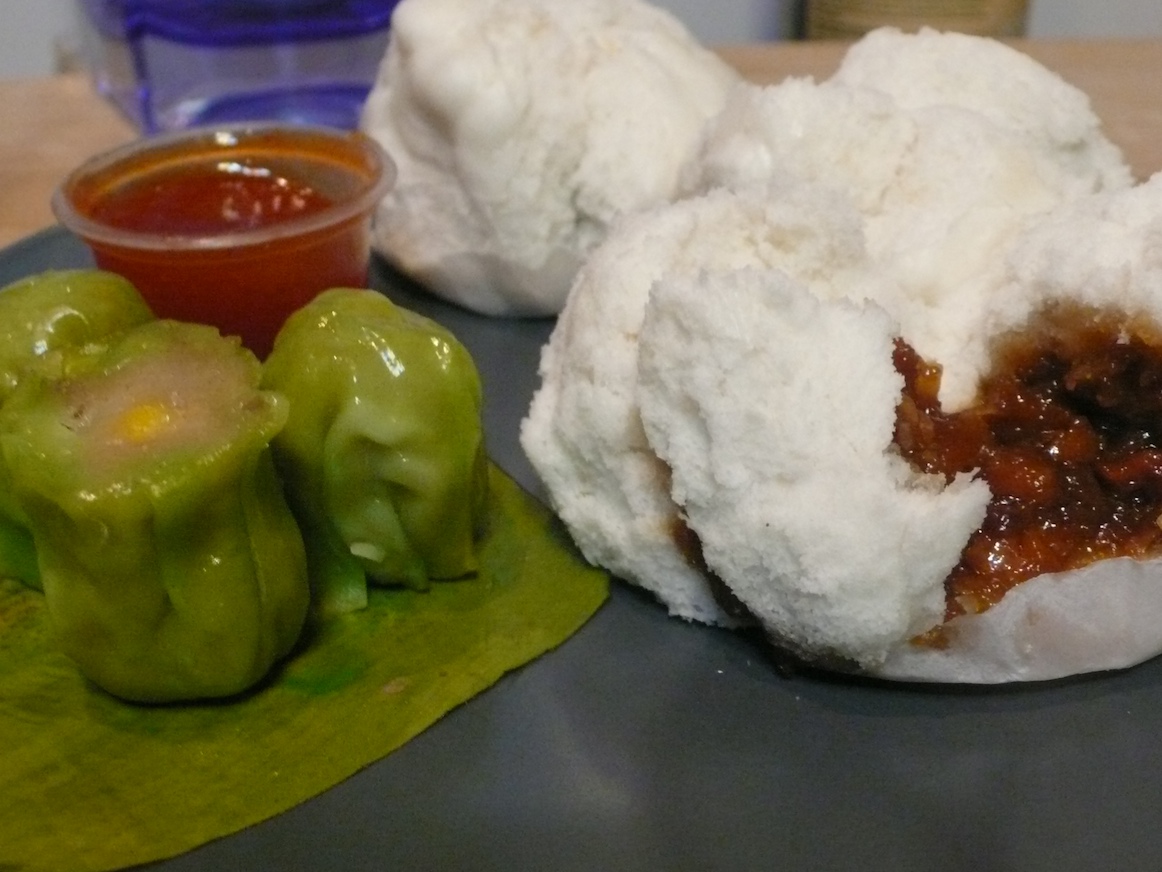
We also shared two starters – the steamed sweet corn siew mai – three little dumplings filled with sweet corn – and the steamed pau filled with a vegetarian version of char siew (roasted honeyed pork). Oh my goodness Goddess. Both starters were delightful, but oh I did love those paus. Soft, fluffy and delicious. The filling was perfection. As a vegetarian, this is as close as I will ever get to meat, but it was absolutely wonderful. Full of flavour, deeply caramelised, roasted, rich, oh I loved it. And my non-vegetarian companion was impressed by the taste and texture of the paus. We both loved them. I particularly liked eating the pau with a splash of soy – the sweet and the salty a heavenly melding that made my tummy sing arias of joy… Heh.

We also ordered the sweet lemon iced detox tea and the banana smoothie. The tea in particular was refreshing and helped cut through the richness of the meal. A couple slices of toast with kaya. The food was delivered hot and fresh within the time that Zoom had given us, and cost (including delivery) less than RM50. The delivery guy tried to give me change when I gave him a few extra dollars, and was very grateful when I told him it was a tip. I have known other delivery services to wait, impatiently and expectantly, for their tip.

All in all a totally satisfying experience, both from Zoom Delivery and PappaRich. For those who really cant be arsed to go out at night to forage for food, try Zoom. Its worth it! And for vegetarians who want to hang out with their non-vegetarian friends, in an inexpensive and very accomodating space, PappaRich is totally it. I am their new Number 1 Fan!

————————————————————-

My favourite vegetarian restaurant in Kuala Lumpur (and actually in many places around the world), is Saravana Bhavan. They have outlets in the US, UK, France, Canada, Qatar, Oman, the UAE, India, Singapore and Malaysia. I am lucky enough (and eternally grateful) that they have a branch in my neighbourhood. When my sister is here, we eat there almost daily if she can help it. The absolute most satisfying Indian vegetarian food on the planet. And I am not over-exaggerating here. The food is phenomenal. Non-vegetarians dont even miss their meat, and they are given a superb education on the variety, taste, texture and delights of the Indian vegetarian plate.

I love the food here – it is so multi-layered, so delicious, soul-satisfying. I love the cooks and the waitstaff who greet you like family. I love that they deliver to my house in 20 minutes or less, and that I can have a multi-course dinner party for six people for less than RM100.

My favourite dishes from Saravana Bhavan (in no particular order) are:

  • Paneer Tikka Masala: Roasted cottage cheese blocks, charred in the tandoor, deep and creamy, covered in a tomato chili cream masala spice sauce, with curry leaves, onions, thick and so delicious that when people taste it for the first time their eyes roll back in their heads
  • Chicken Fry: Vegetarian “chicken” pieces, dry fried in a thick coating of chili, garlic, onion, ginger, curry leaves, tomato and other amazing tastes. So layered, so more-ish. I dare you to just have one piece.
  • Aloo Palak: A paste of deeply green spinach, sauteed with onions, spices, garlic, potatoes. The essence of green. The perfect spice balance.
  • Onion Raita: Homemade yogurt, thick and curdy, cool and cooling, with sharp slices of onion. Beautiful counterbalance to the hot spiciness of the rest of the food.
  • Bittergourd-65: Rounds of bittergourd, dropped in a spiced batter, and deep fried. Like chips but about a million times better. Spritzed with lemon. Such depth and complexity of flavour.
  • Breads: particularly the chappathi, adai avial (available only on the weekends and not to be missed – a coconut and green chili pancake from Kerala that blows your mind with its myriad tastes), thosai, bathura. Each comes with its own curries – chickpeas in coconut gravy, roasted tumeric potatoes, a savoury simple dhal.
  • And to drink: pineapple lassi or triveni (fresh squeezed ginger, pineapple and grape juice) and hot tea made with rich spices and milk.

Go to Saravana Bhavan if you can. You wont regret it and you will become a regular. I dream about it and crave it when I dont have it all the time. It makes my soul happy. I hope it makes you joyous too.

Carrot Cake (The Best EVER)

30 Jul

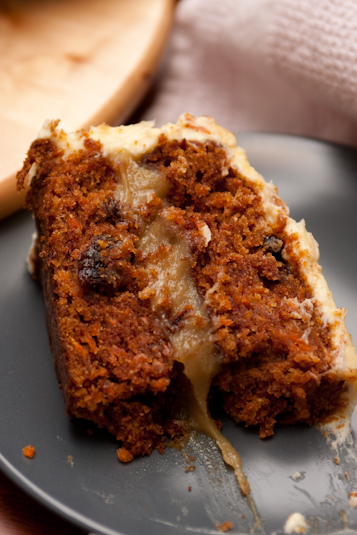
Carrot Cake from heaven I cant tell you how much I love this cake. It looks like a huge effort but if you break it down into its component parts, and you start at least two days in advance, it’s a doddle.

The recipe for this cake comes from the Frog Commissary Cookbook – probably my favourite cookbook of all times. My first version was so battered, I could barely read the recipes anymore, but it didn’t matter – I had cooked the food so often, I kind of knew what needed to go in and where. Steven Poses totally innovated the Philadelphia food scene, and this cookbook really highlights easy, casual, scrumptious American cooking.

This carrot cake is something that once you make, every single person who has tasted it will ask you when you are making it again. You will become known for this cake, and you will be begged for the recipe. It will become your signature, and people will talk of you and the carrot cake together, in the same hushed awed tones. Its really that good!

As a breakfast after cooking a feast, it is a sublime cooks treat. It’s a pain to make in one go because there are so many steps, but easy enough if you cook the caramel stuffing and assemble the cream cheese frosting a day or two before hand. The cake can be baked the night before, and everything put together on the day. Seriously, this recipe will become something which will bring you fame, and depending on who you serve it to, may be even love! Heh.

We have the opportunity here to look at how our shopping choices affect the taste of our food. Its carrot cake. PLEASE buy organic carrots for this. It will make a world of difference. Get the slightly more expensive French butter if you can for the frosting – but you can use the cheaper butter for the caramel stuffing. If you are watching your budget, these things are important. Because the frosting is butter, cream cheese and vanilla, whipped together and uncooked, the actual flavour of the butter is very important. Because you cook the butter into the sugar for the caramel stuffing, the flavour gets muted and changes, and thus does not have so much responsibility.

I have made changes to the original recipe.  I hate nuts in dessert. I don’t know why, I just do. I love nuts but don’t mix them with chocolate or cake or brownies for me. They interfere with the original taste, and don’t do anything to add to it.

In this carrot cake, especially, I don’t like anything to interfere with its smooth unctuousness. There is something so luscious about how this cake feels in the mouth that nuts just interfere with the sensual experience for me.

I have taken out the pecans in the cake and the caramel stuffing – add in if you like nuts. Ugh.

I have also added mixed-spice as I like the low musky note it adds, and I have upped the cinnamon as I don’t think you can ever have enough cinnamon!

Serves 16 – 20

This cake is most easily made if you start it at least one day ahead, preferably two, since the caramel filling, for one thing, is best left to chill overnight, and the cake needs at least a day or so to firm up. The different components can be made even up to several days in advance and stored separately until you are ready to assemble the cake (as early as the night before you will serve it).

Caramel Stuffing

(This is the “stuffing” of the carrot cake – between the two layers of cake).

  • 1 1/2 cups sugar (I use a mix of white sugar, vanilla sugar and organic brown sugar – 1/2 a cup each)
  • 1/4 cup flour
  • 3/4 teaspoon salt
  • 1 1/2 cups heavy cream (I use the pouring cream you can buy in the long life milk cartons)
  • 6 ounces (3/4 cup) butter (I use salted – but you can use unsalted)
  • 2-3 teaspoons vanilla extract (or more – depending on your taste)
  • 1 tsp to 1 tbsp Maldon or Fleur de sel to sprinkle over the stuffing
  • OPTIONAL: 1 1/4 cups chopped pecans (I dont use nuts in this cake because I dont like cake with nuts, but feel free to add them if you like. You can use walnuts, or even dried coconut if you like).

In a very heavy saucepan, blend well the sugar(s), flour and salt.

Gradually stir in the cream. Make sure they are blended – the dry ingredients will slowly absorb the cream. Leave this for a few minutes to let the sugar really melt into the cream.

Chop up the butter and add to the saucepan.

Put the saucepan on low heat and stir as the butter melts. You will see the butter getting absorbed into the creamy mixture as it melts.

Once the butter is absorbed, stir in 1 teaspoon of the vanilla.

Simmer the mixture for 20 – 30 minutes (up to an hour depending on the heat), stirring occasionally. It will start to pop and sizzle. Make sure you stir so the bottom and sides of the pan get scraped down.

Once the caramel is golden brown to nut brown in colour (again, depending on your taste), and the mixture is thick, take off the heat and cool to lukewarm.

Add the remaining vanilla (I usually add at least another teaspoon because of how weak the vanilla is in Malaysia), and the nuts or coconut if you are using them (don’t!).

Let cool completely and refrigerate, preferably overnight. If its too thick to spread when you are ready to assemble the components, let it warm a little to spreading consistency. Just before spreading, sprinkle the Maldon or Fleur de sel over the caramel.

Any extra is SUPERB with vanilla ice cream as a topping.

Carrot Cake

  • 1 1/4 cups corn or other clear light vegetable oil
  • 2 cups sugar (I use a mixture of white and organic brown)
  • 2 cups flour
  • 3 -4  teaspoons cinnamon
  • 2 teaspoons mixed spice
  • 2 teaspoons baking powder
  • 1 teaspoon baking soda
  • 1 teaspoon salt
  • 4 eggs
  • 4 cups grated carrots (about 1/2 kilo bag) – if you dont have enough carrots, you can add a few apples
  • 1 cup raisins
  • OPTIONAL 1 cup chopped pecans (see above re nuts in cake).

Preheat the oven to 175 C

Line the base of two 10 inch cake pans with baking paper, and grease well with butter

In a large bowl whisk together the corn oil and the sugars until the oil is absorbed into the sugar. Leave to let the mixture meld for a while.

Meanwhile, mix the flour, cinnamon, mixed spice, baking powder, baking soda and salt together in a separate bowl.  Sift half of the dry ingredients over the sugar-oil mixture and blend.

Alternately sift in the rest of the dry ingredients while adding the eggs (lightly beaten), one by one.

Combine all well, and leave to sit for a bit while you grate the carrots.

Add the carrots, the raisins and (if you are using them) the pecans.

Pour mixture into prepared pans and bake for about 25 – 30 minutes, or until a knife inserted comes out clean.

Cool upright in the pan on a cooling rack. Unmold the cake before you refrigerate it if you are not using the cake that day. Wrap it well in plastic wrap or a clean kitchen towel.

I think this is best made at least 1 – 2 days in advance. Too fresh a cake makes it very difficult to cut – I used a very fresh cake at my last party, and after the first few slices, the cake was unfolding herself like a blowsy lady who had too much to drink at a party!

Cream Cheese Frosting

  • 1/2 stick to 1 stick of butter (salted) – I usually use less butter than cream cheese, at room temperature
  • 1-8 ounce package of cream cheese at room temperature
  • 200 – 500 g of powdered sugar (I usually use less, and add more to taste)
  • 1 – 3 teaspoons of vanilla

Using electric beaters, cream the butter well.

Add the cream cheese and beat until well blended.

Sift in the sugar and the vanilla.

Depending on the consistency of the frosting, leave in fridge for a few minutes (if too soft) or add a little sour cream or milk (if too stiff).

Assembly

Centre the cake on your serving plate.

Depending on your taste, use a serrated knife to cut the cake into 2 – 3 layers.

Spread the caramel filling between the layers of cake. You may have to use a spoon and just drop the thick caramel onto the layers.

Spread the frosting over the top and sides.

Refrigerate to let the cake hold itself together.

Serve cake at room temperature.

Variations

  • The assembled cake freezes very well
  • You can substitute apples or zucchini for the carrots
  • Batter can also be baked as cupcakes, loaves, sheet cakes